Introduction
Quality control is an important step before shipping women’s knitwear orders. For fashion brands, wholesalers, and importers, stable quality helps reduce after-sales problems, protect brand reputation, and support long-term cooperation.
Women’s knitwear requires careful checking because the final product can be affected by yarn, knitting structure, garment measurements, linking, finishing, labels, packing, and overall appearance.
At Janbow Apparel, we support custom women’s knitwear production, including sweaters, cardigans, pullovers, and knit dresses. Before shipment, we pay attention to key quality details to help make sure the bulk order matches the confirmed requirements.
Why Quality Control Matters for Women’s Knitwear
Women’s knitwear is different from simple woven garments. The fabric is flexible, and details such as stretch, garment shape, yarn tension, and finishing can affect the final appearance.
Even if the sample is approved, bulk production still needs careful inspection. Small problems may appear during knitting, linking, ironing, labeling, or packing.
Quality control helps check whether the final garments match the approved sample, measurement requirements, workmanship standard, and packing instructions.
For B2B customers, this step is important because one order may include hundreds or thousands of pieces. Consistency matters.
1. Measurement Checking

Measurement checking is one of the most important parts of knitwear inspection.
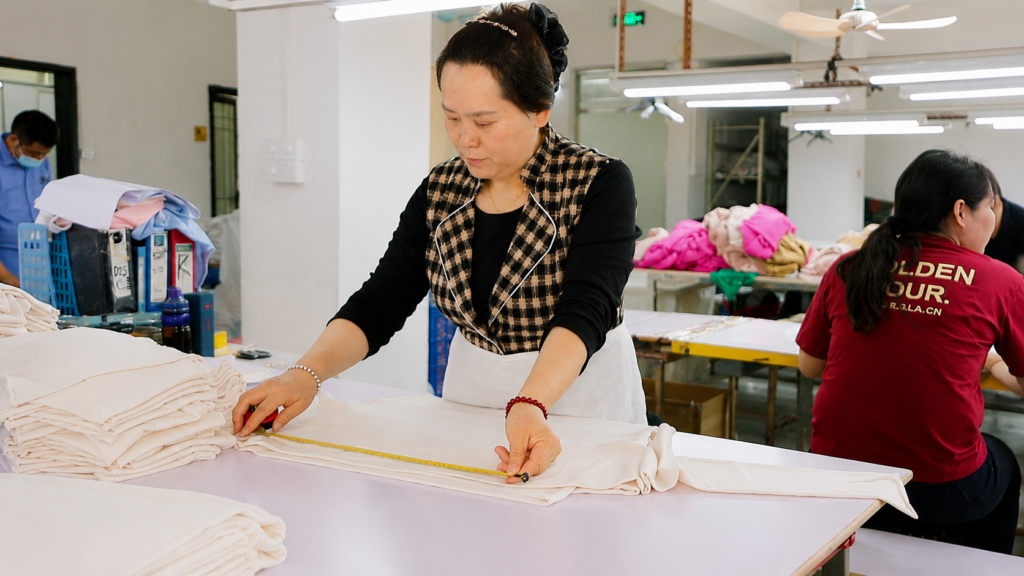
For women’s sweaters, cardigans, pullovers, and knit dresses, common measurement points may include chest width, body length, shoulder width, sleeve length, hem width, armhole, and other style-specific points.
Because knitwear has stretch, measurement checking should be done carefully and consistently. The garment should be laid flat properly, and the checking method should follow the confirmed measurement chart.
If the measurement difference is too large, it may affect fit, appearance, and customer satisfaction.
2. Workmanship Inspection
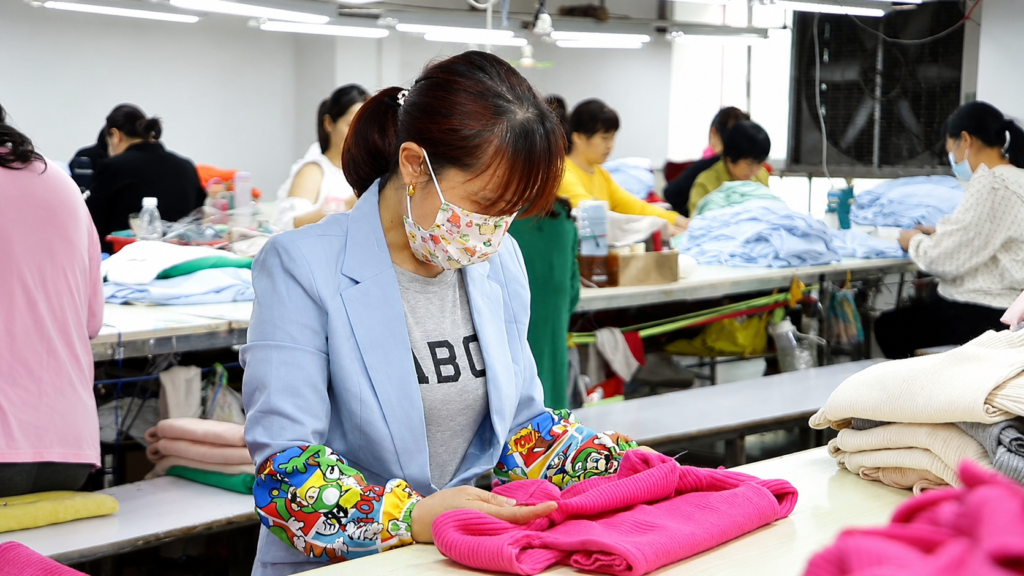
Workmanship inspection focuses on how the garment is made and finished.
For women’s knitwear, important areas may include the neckline, shoulder seams, armholes, side seams, cuffs, hem, button placket, pockets, and other construction details.
Inspectors should check whether the stitching and linking are clean, secure, and consistent. Loose threads, uneven seams, poor joining, or visible defects can affect the final quality.
Good workmanship helps the garment look more professional and ready for retail or wholesale delivery.
3. Knitting Surface and Fabric Appearance
The knitting surface should be checked carefully before shipment.
For women’s knitwear, the surface may show problems such as uneven texture, yarn defects, stains, holes, pulling, color inconsistency, or visible knitting issues.
Different styles may have different knitting structures, such as plain knit, rib knit, textured knit, stripe designs, jacquard patterns, or mixed panels. Each structure should be checked according to the approved sample and customer requirements.
A clean and consistent fabric appearance is important for the final presentation of the garment.
4. Color and Style Consistency
Color consistency is important, especially for bulk orders with multiple colors or repeated production.
The finished garments should be checked against the confirmed color standard or approved sample. Lighting conditions can affect color judgment, so checking should be done carefully.
Style consistency is also important. The neckline, sleeve shape, body proportion, rib details, buttons, trims, and other design elements should match the approved sample.
For striped, jacquard, or color-block knitwear, pattern placement and color balance should also be reviewed.
5. Label and Trim Checking
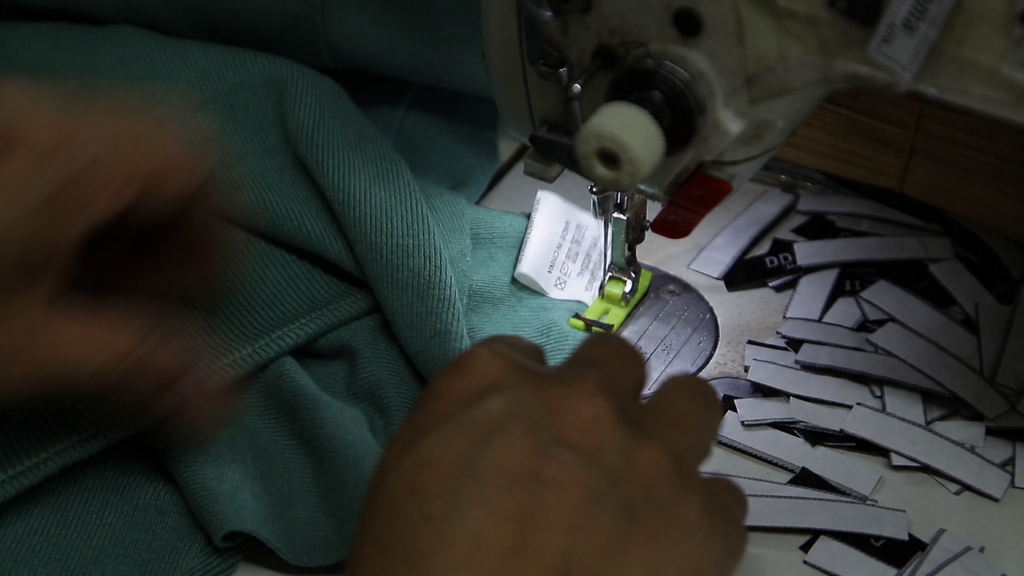
Labels and trims are small details, but they are important for brand presentation and final delivery.
Before shipment, the factory should check whether the correct labels and trims are used. These may include main brand labels, size labels, wash care labels, hang tags, buttons, zippers, or other accessories.
For custom women’s knitwear orders, customers may have specific brand label and packaging requirements. Mistakes in labels or trims can create problems even if the garment itself is well made.
That is why label and trim checking should be part of the quality control process.
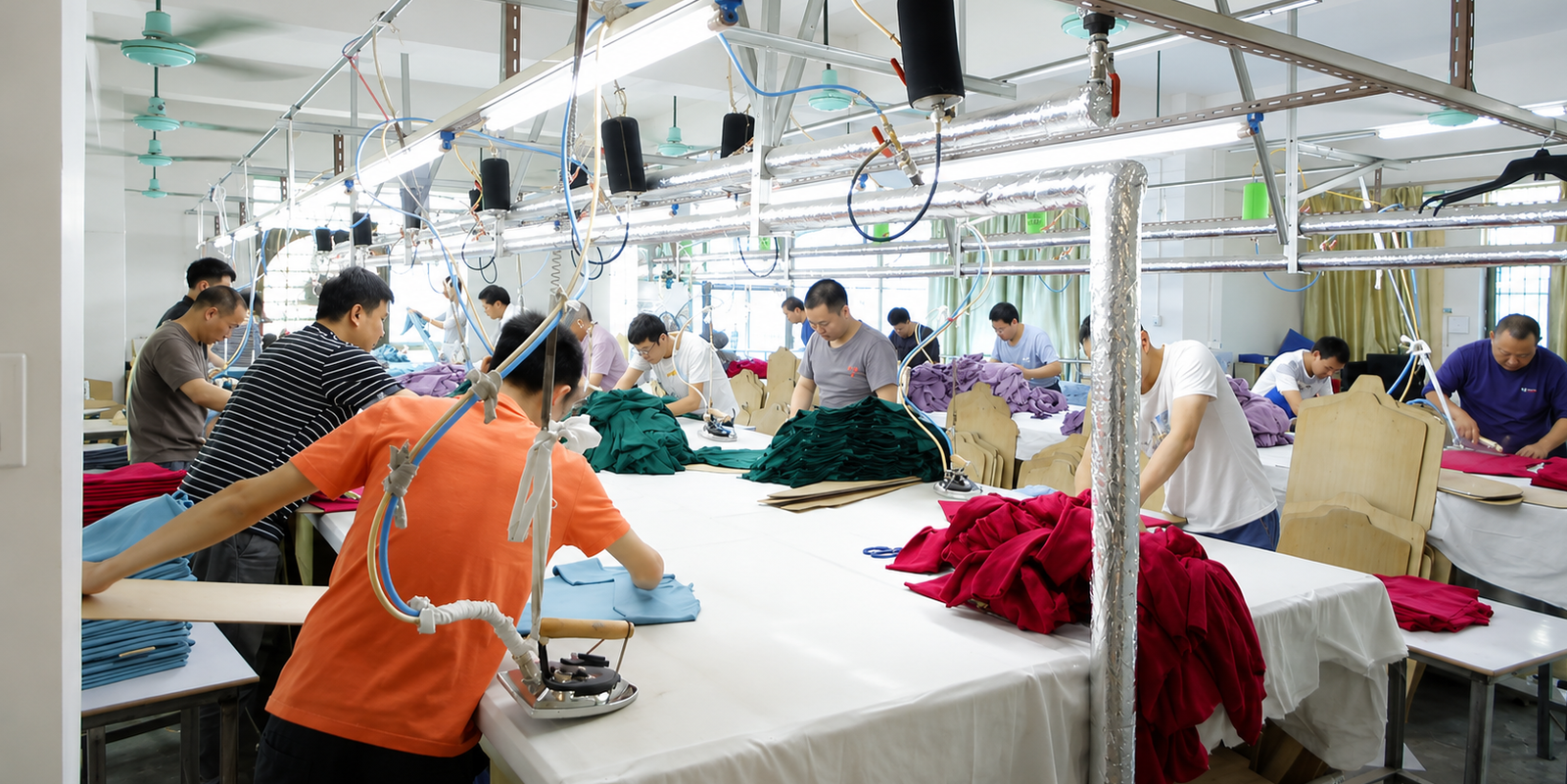
6. Finishing and Ironing
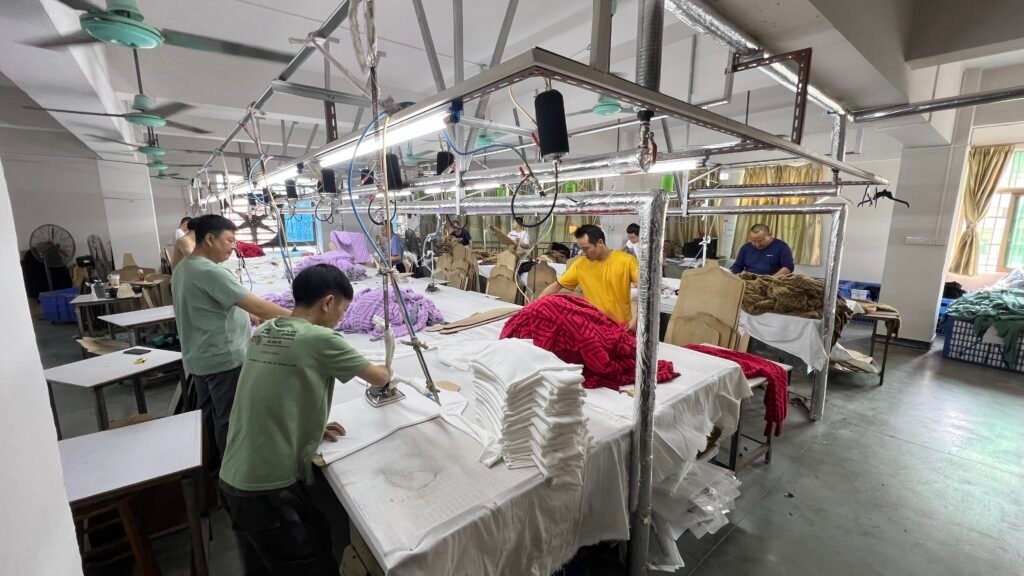
Finishing affects the final appearance of women’s knitwear.
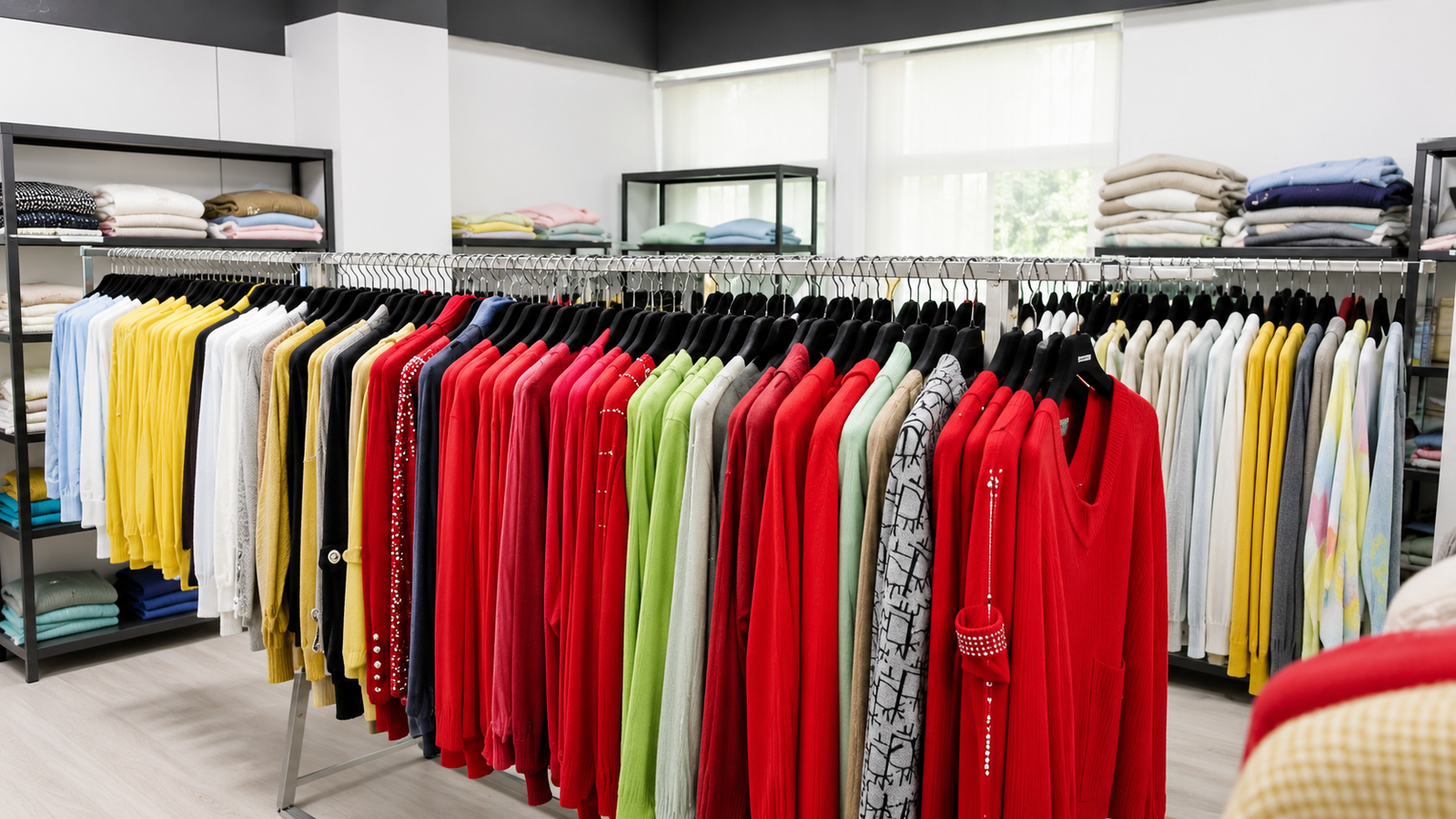
After production, garments may need ironing, shaping, trimming, and cleaning before packing. The garment should look neat, properly shaped, and ready for presentation.
For sweaters, cardigans, pullovers, and knit dresses, finishing can help improve the overall silhouette and make the product look more professional.
During this stage, workers should also check for loose threads, stains, wrinkles, or other visible issues before the garments move to packing.
7. Packing Inspection
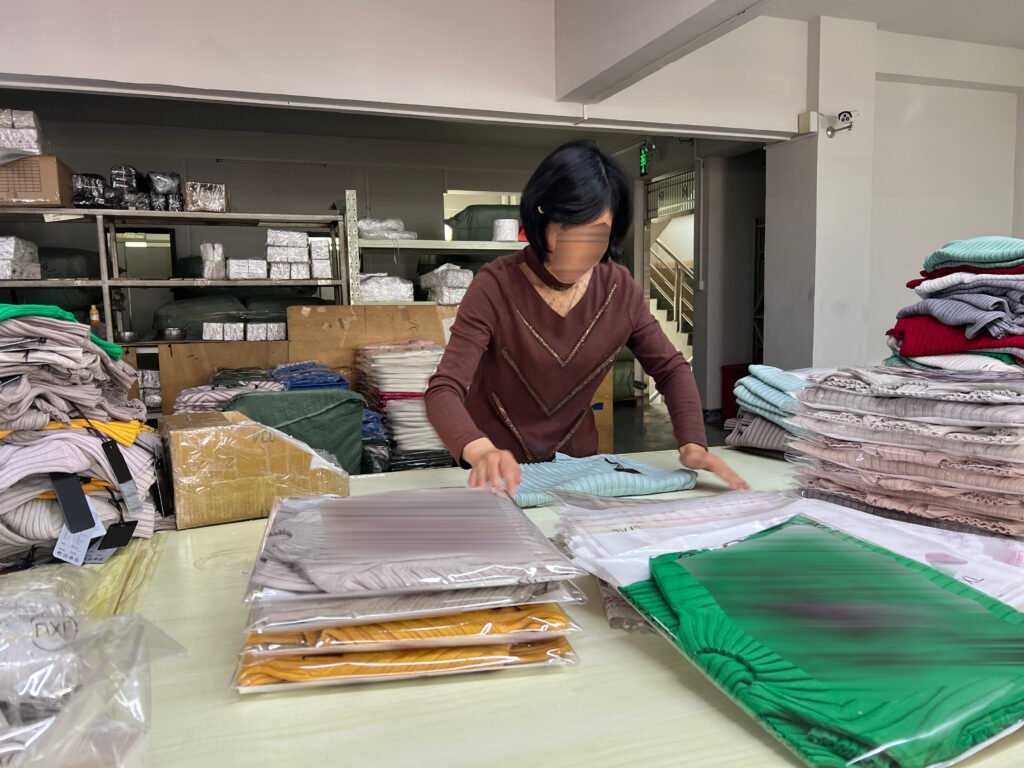
Packing inspection helps make sure the order is organized correctly before shipment.
For women’s knitwear, packing may include folding, individual polybags, size stickers, hang tags, carton packing, carton marks, and packing lists.
The packing method should follow customer requirements. For example, some customers may need one piece per polybag, size separation, color separation, mixed-size packing, or specific carton labels.
Clear packing helps protect the garments during transportation and makes warehouse receiving easier for the customer.
8. Final Random Inspection Before Shipment
Before shipment, a final random inspection can help check the overall order condition.
This may include reviewing garment appearance, measurements, workmanship, labels, packing, carton information, and quantity.
The purpose is not only to find individual defects. It is also to confirm whether the bulk order generally matches the approved sample and final order requirements.
Final inspection helps reduce shipping risk and supports smoother delivery.
How Customers Can Support Better Quality Control
Quality control is not only the factory’s work. Clear customer information also helps improve the result.
Before bulk production, customers can provide:
- Approved sample confirmation
- Final measurement chart
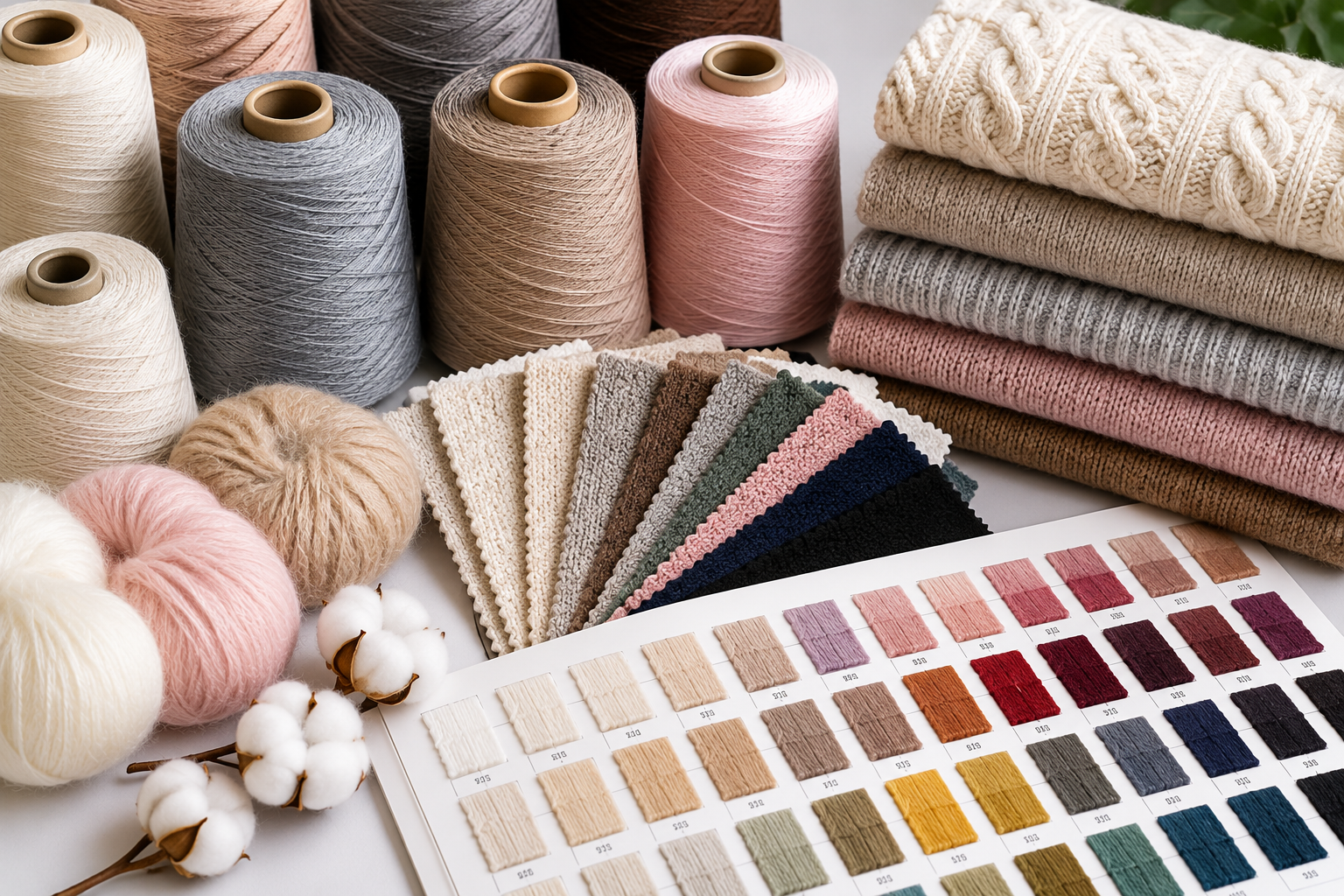
- Confirmed yarn composition
- Color requirements
- Label files
- Packing instructions
- Size ratio
- Quality expectations
- Delivery requirements
The clearer the final requirements are, the easier it is for the manufacturer to follow the correct standard during production and inspection.
Work with Janbow Apparel
At Janbow Apparel, we support custom women’s knitwear production for fashion brands, wholesalers, and importers.
Our main products include women’s sweaters, cardigans, pullovers, and knit dresses. We pay attention to material selection, sample development, production arrangement, quality inspection, finishing, packing, and delivery preparation.
A clear quality control process helps make bulk production more stable and supports long-term cooperation with customers.
Start Your Custom Knitwear Project
Looking for a reliable women’s knitwear manufacturer?
Contact Janbow Apparel for catalogs, sample development, quotation, quality control discussion, and custom production support.