Introduction
Color is one of the most important decisions when developing a women’s knitwear collection. For fashion brands, wholesalers, and importers, the right color selection can make sweaters, cardigans, pullovers, and knit dresses more attractive to the target market.
A good color plan is not only about choosing beautiful colors. It should also consider the season, market positioning, customer preferences, yarn availability, MOQ, production cost, and how different colors work together in a collection.
At Janbow Apparel, we support custom women’s knitwear development and production for brands and wholesalers. In this article, we share several practical points to consider when choosing colors for a women’s knitwear collection.
Why Color Selection Matters in Knitwear
Women’s knitwear is often purchased for both comfort and styling. Color plays a key role in how customers feel about the product at first glance.
A basic sweater in a classic neutral color may be suitable for daily wear and long-term selling. A cardigan in a bright seasonal color may help a collection look fresher and more eye-catching. A knit dress in a soft tone may create a more elegant and feminine impression.
For B2B buyers, color selection also affects sales planning. A well-balanced color range can help brands serve different customer groups while keeping the collection organized.
1. Start with the Target Market
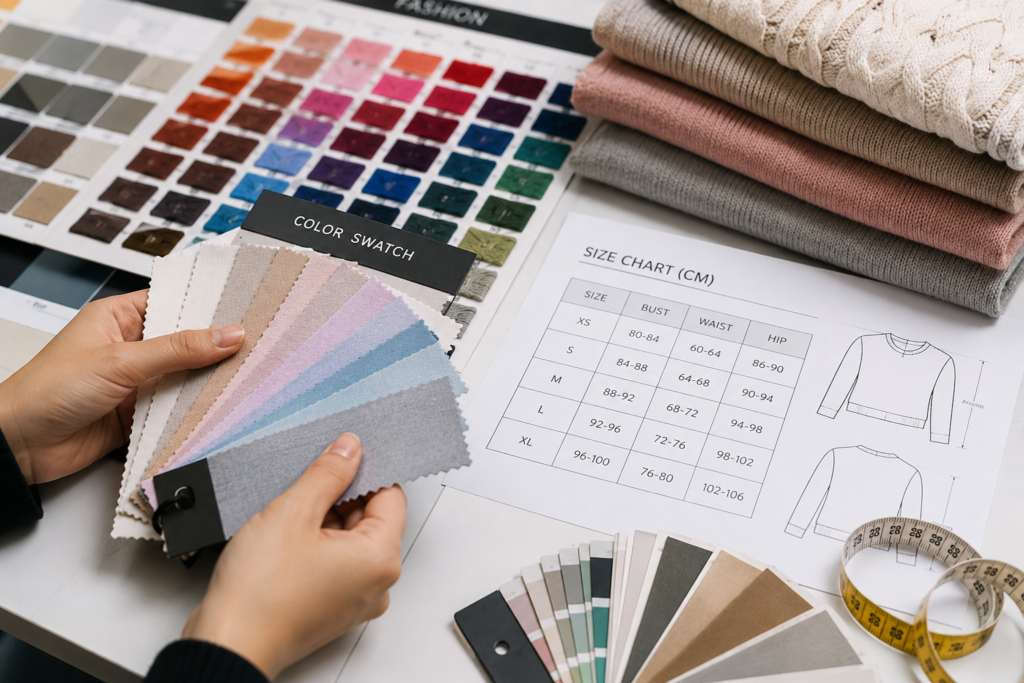
Before choosing colors, brands should first consider their target market.
Different markets may prefer different color directions. Some customers may prefer classic and practical colors, while others may look for fresh, trendy, or more eye-catching shades.
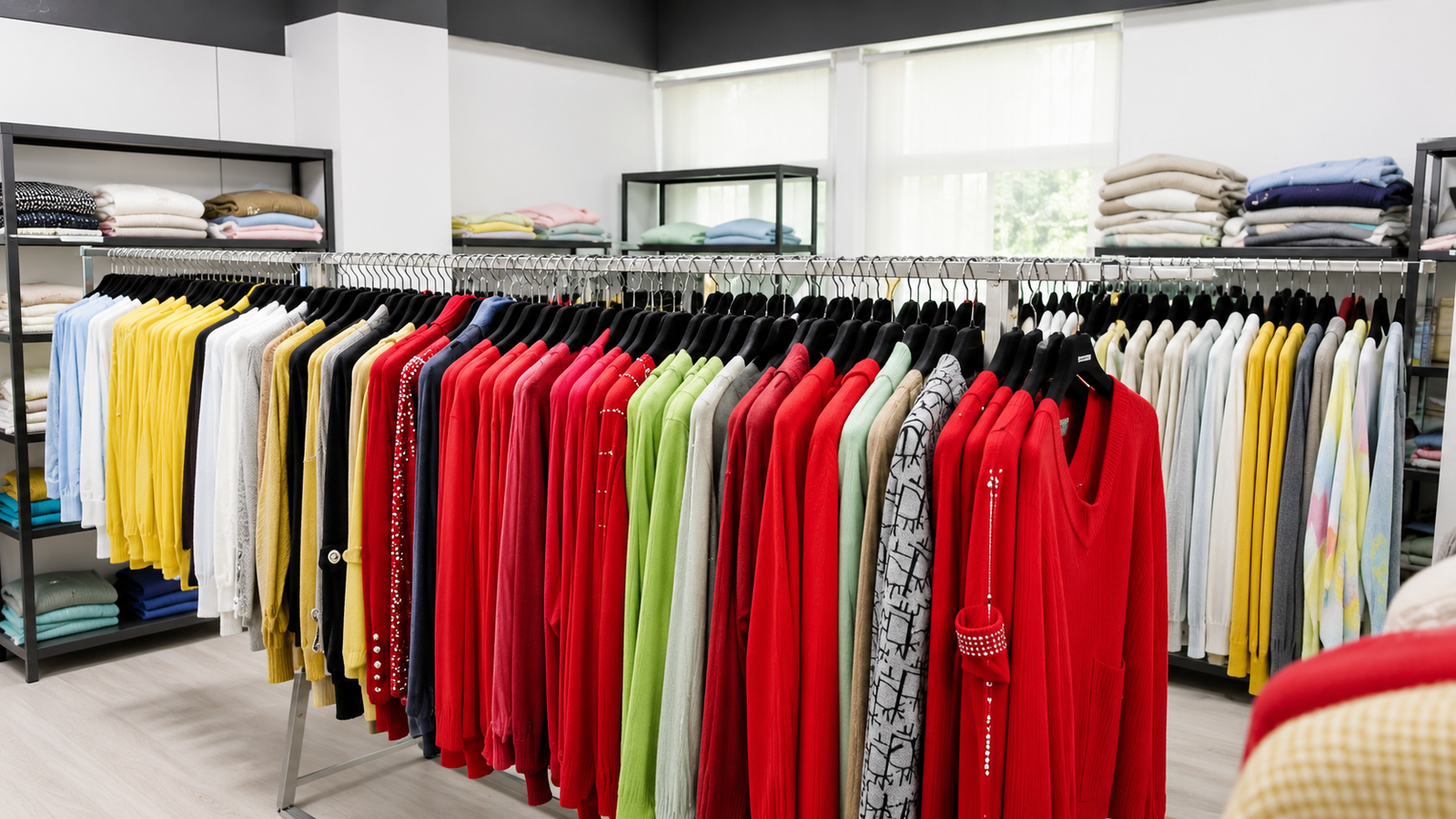
For example, a brand targeting everyday commercial knitwear may focus more on black, beige, grey, navy, and soft neutral tones. A fashion-forward brand may add stronger seasonal colors, contrast designs, or special color combinations.
Understanding the target customer helps make the color plan more practical instead of choosing colors only based on personal preference.
2. Consider the Selling Season
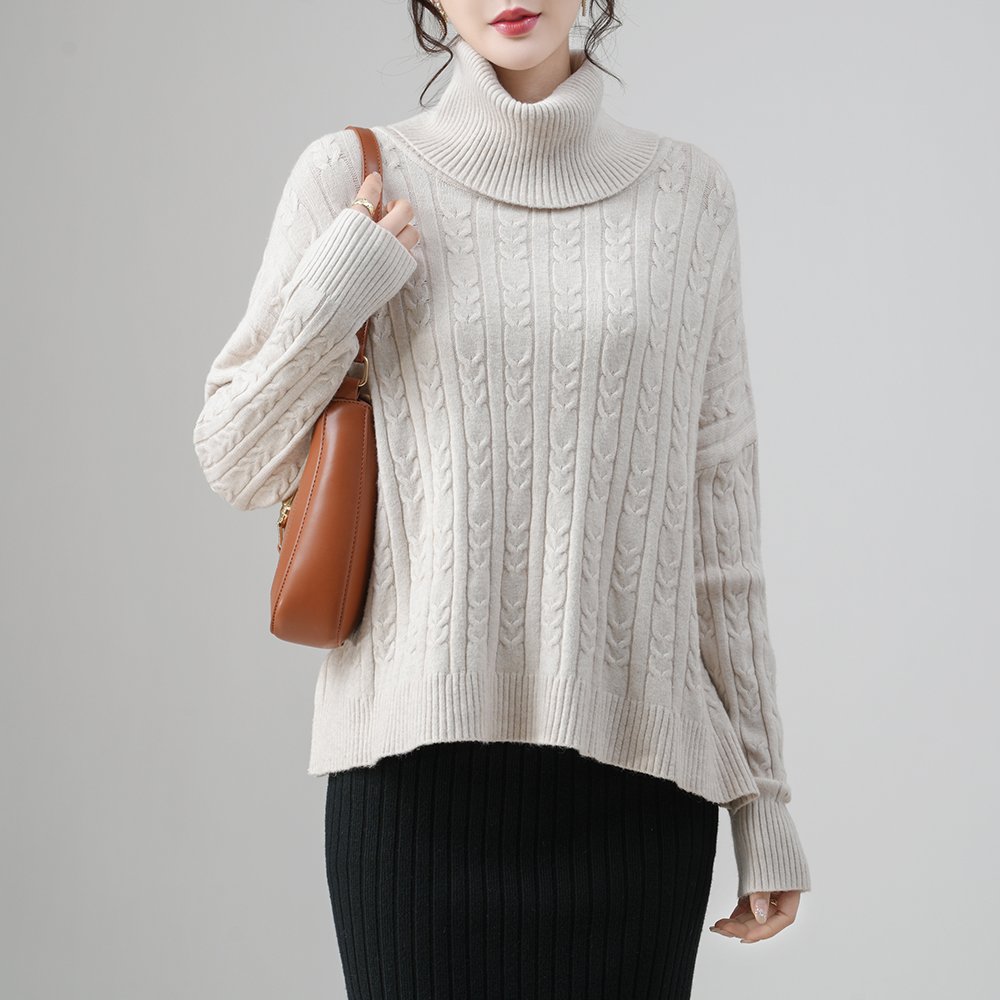
Season is another important factor in knitwear color development.
Autumn and winter collections often use deeper, warmer, and more stable colors. These may include black, camel, brown, burgundy, dark green, navy, grey, cream, and other seasonal tones.
Spring or transitional knitwear may use lighter and softer colors, such as ivory, pastel pink, light blue, soft green, beige, or pale yellow.
The same sweater style can create a very different feeling when developed in different colors. That is why color planning should match the season and selling period.
3. Balance Basic Colors and Fashion Colors
A good women’s knitwear collection usually needs a balance between basic colors and fashion colors.
Basic colors are easier to sell across different markets. They are often more stable and suitable for repeat orders. Common basic colors include black, white, ivory, beige, grey, navy, and brown.
Fashion colors can make a collection look more attractive and seasonal. They help brands create freshness and visual interest. However, fashion colors may be more trend-sensitive and may not sell equally well in every market.
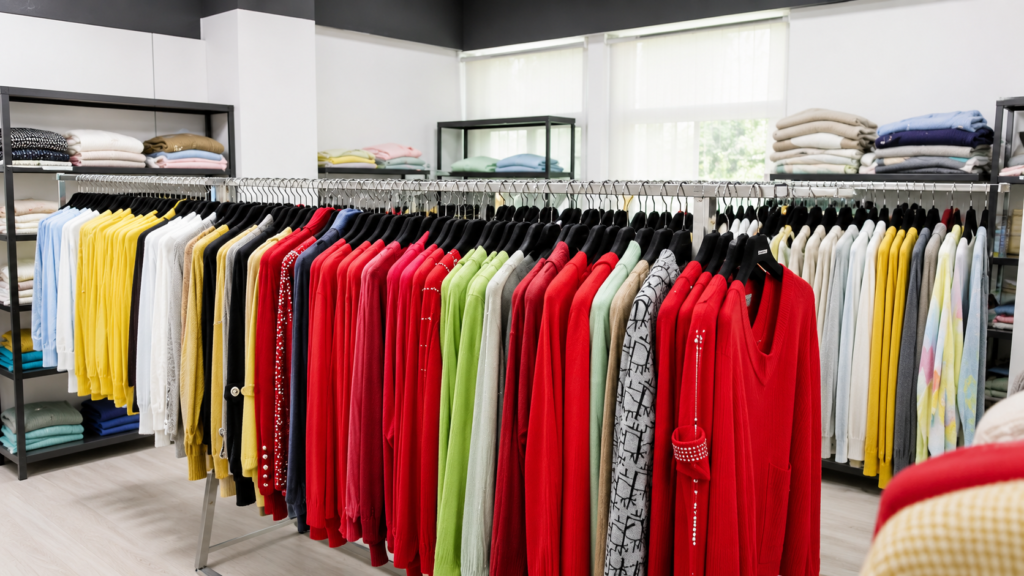
For many brands, a practical approach is to keep several stable basic colors and add one or two seasonal highlight colors.
4. Think About Color Quantity and MOQ
Color quantity is closely related to MOQ and production planning.
For custom knitwear production, producing one color in a larger quantity is usually different from producing many colors in smaller quantities. More colors may require more yarn preparation, production arrangement, quality control, packing separation, and stock management.
For example, 300 pieces in one color is not the same as 300 pieces divided into five colors. Even if the total quantity is the same, the production arrangement can be more complex when there are too many colors.
Before confirming colors, brands should consider their order quantity, target market, and sales plan. A smaller collection with carefully selected colors may be more practical than too many colors with low quantity per color.
5. Check Yarn Availability and Color Matching
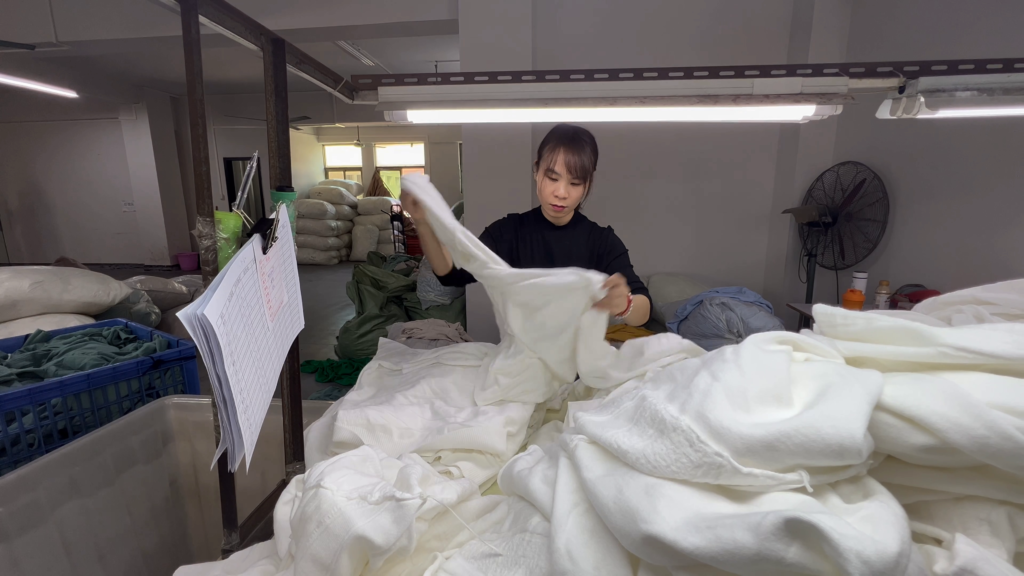
Color selection is also connected with yarn availability.
Some colors may be available in regular yarns, while others may need special dyeing or additional preparation. If a customer requires a very specific color, it may take more time to check whether the yarn can match the requested shade.
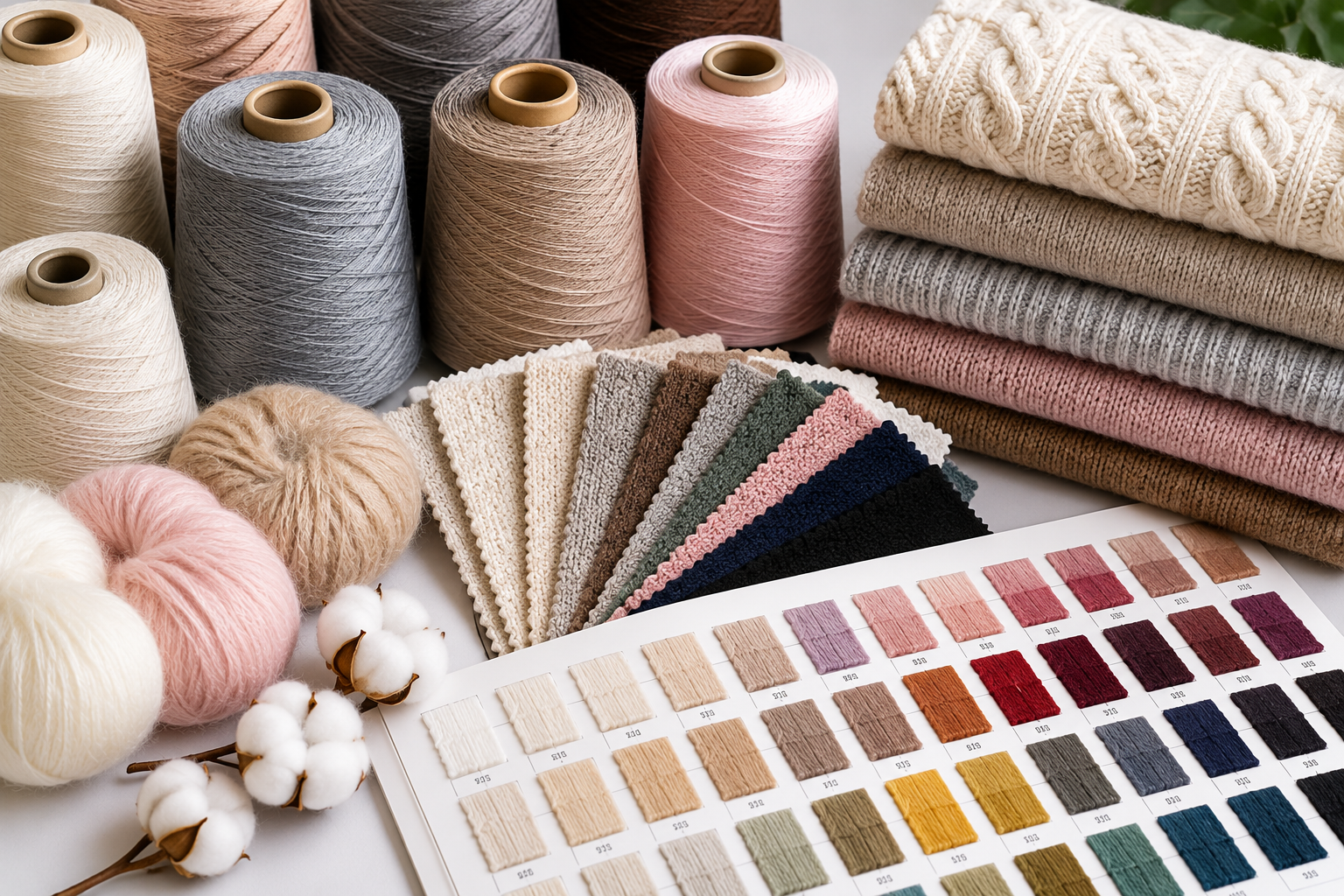
For knitwear, the final color effect can also be influenced by yarn texture, fiber composition, and knitting structure. A color may look different on smooth yarn, textured yarn, rib knit, jacquard, or fluffy surface.
If color accuracy is very important, physical color references or yarn samples can help reduce misunderstandings.
6. Use Color to Build a Collection Story
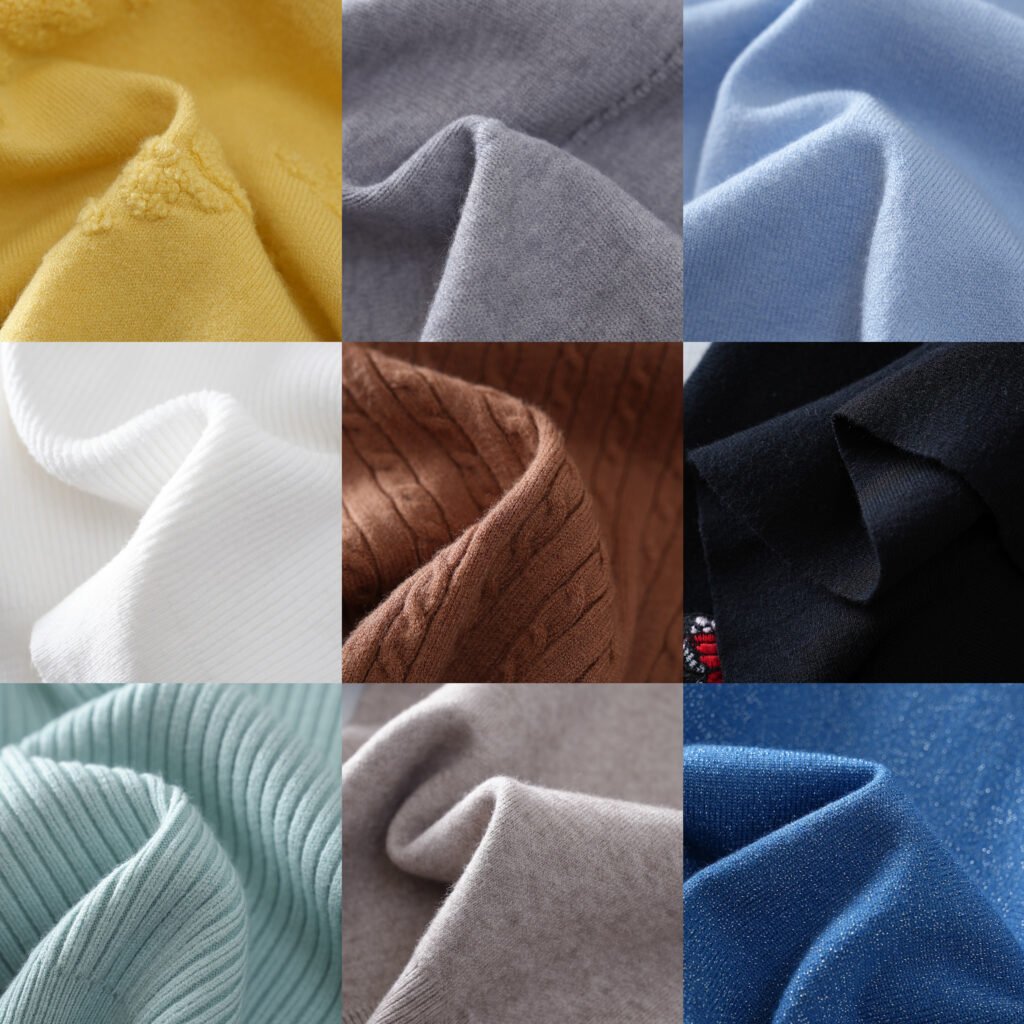
A collection may follow a soft neutral story, a classic winter story, a bright seasonal story, or a more commercial daily-wear story. When colors work well together, the whole collection looks more organized and professional.
Color is not only a single product decision. It can also help build the feeling of a complete collection.
For example, a knitwear collection may include:
- Two basic neutral colors
- One dark seasonal color
- One soft fashion color
- One highlight color for visual interest
This kind of planning helps the collection look complete without becoming too complicated.
7. Consider Product Type and Color Suitability
Different knitwear products may work better with different colors.
Pullover sweaters often work well in both basic and seasonal colors. Cardigans can be suitable for neutral colors because they are often used for layering. Knit dresses may look more elegant in soft, deep, or solid colors. Textured knitwear can look stronger when the color supports the surface detail.
For striped, jacquard, or color-block knitwear, color matching becomes even more important. The contrast between colors should be clear enough to show the design, but not too strong if the brand wants a softer look.
The right color should support the product style instead of competing with it.
8. Prepare Color References Before Sampling
Before sample development, customers can prepare clear color references to help the manufacturer understand the required direction.
Useful references may include:
- Pantone color numbers
- Yarn color cards
- Fabric swatches
- Existing garment samples
- Product reference photos
- Brand color direction
Digital photos can be helpful, but they may not always show the exact color because screens and lighting conditions vary.
If the color is critical, physical references are usually more reliable.
How Janbow Apparel Supports Color Development
At Janbow Apparel, we support custom women’s knitwear development for brands, wholesalers, and importers.
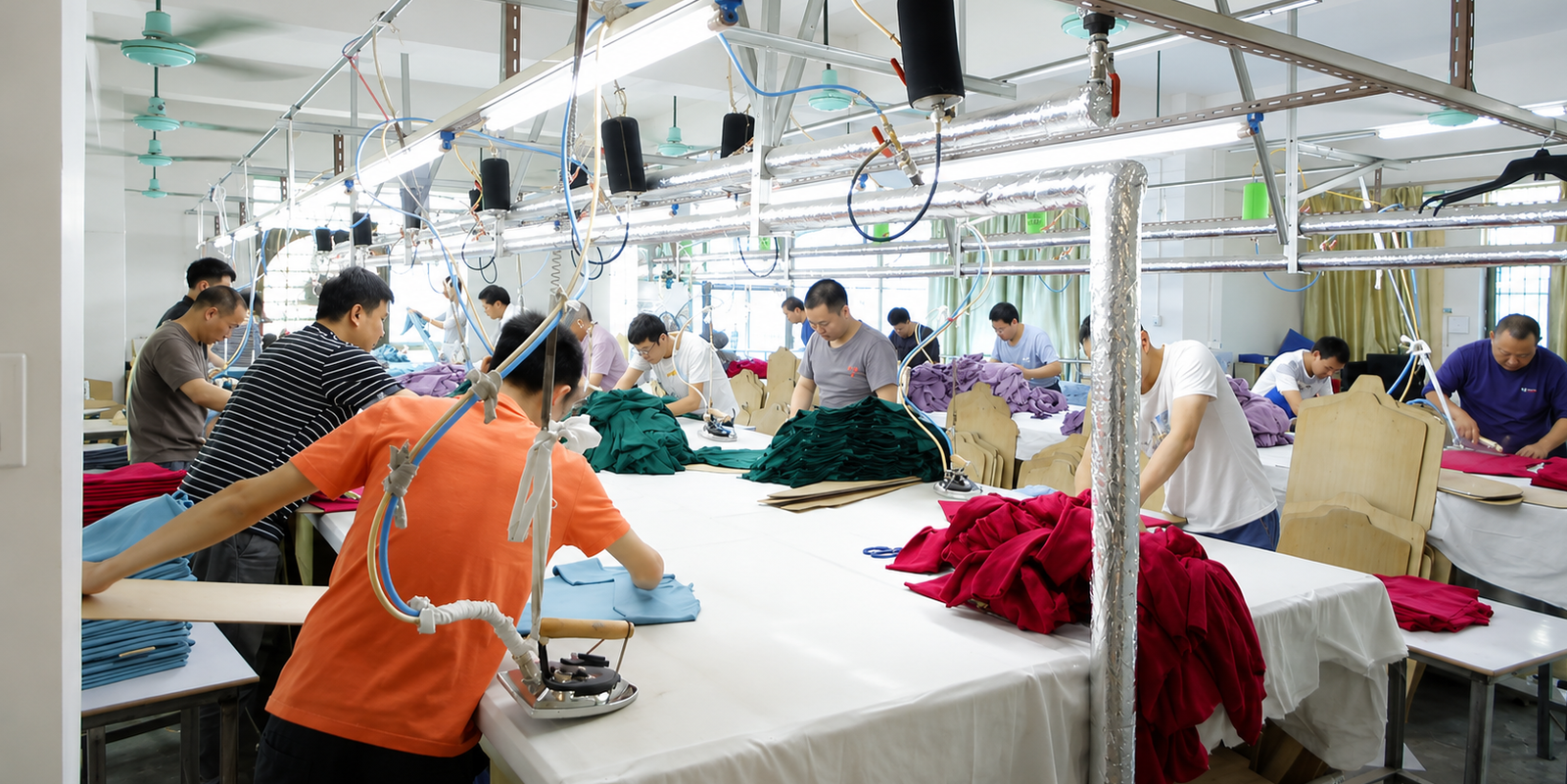
Our products include women’s sweaters, cardigans, pullovers, and knit dresses. During development, we can discuss color direction together with material selection, yarn options, MOQ, sample development, and production planning.
Whether customers are developing basic commercial colors or seasonal fashion colors, clear communication before sampling can help make the process smoother and more efficient.
Start Your Custom Knitwear Project
Planning a new women’s knitwear collection?
Contact Janbow Apparel for catalogs, sample development, color discussion, quotation, and custom production support.
Start Your Custom Knitwear Project
Developing a new women’s knitwear collection?
Contact Janbow Apparel for catalogs, material discussion, sample development, quotation, and custom production support.