Introduction
When fashion brands, wholesalers, and importers look for a women’s knitwear manufacturer, they often see the terms OEM and ODM. These two production models are both common in custom garment manufacturing, but they are not exactly the same.
Understanding the difference between OEM and ODM can help customers choose a more suitable cooperation method, prepare the right information, and make the development process more efficient.
At Janbow Apparel, we support custom women’s knitwear development and production, including sweaters, cardigans, pullovers, and knit dresses. In this article, we explain the difference between OEM and ODM women’s knitwear manufacturing and how brands can choose the right option.
What Is OEM Manufacturing?
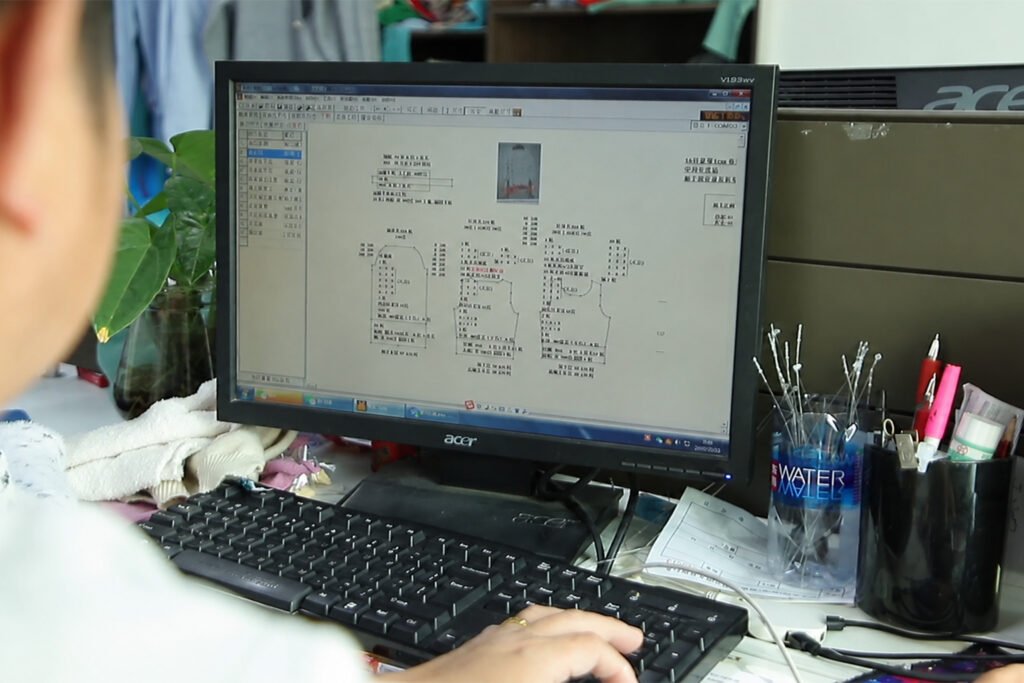
OEM means Original Equipment Manufacturing. In the garment industry, OEM usually means the customer provides the design requirements, and the manufacturer produces the garments according to those requirements.
For women’s knitwear, customers may provide:
- Tech packs
- Reference photos
- Measurement charts
- Yarn composition requirements
- Color information
- Label files
- Packaging requirements
- Sample garments
In this model, the customer usually has a clearer product direction. The manufacturer’s role is to help turn the design into a physical product through sample development and bulk production.
OEM is suitable for brands that already have their own designs, product planning, and market direction.
What Is ODM Manufacturing?
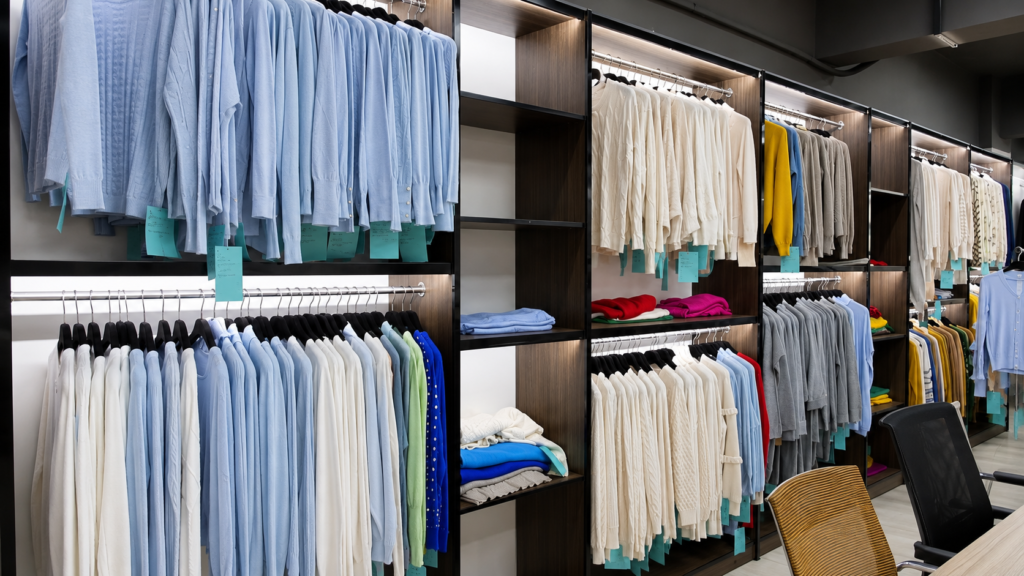
ODM means Original Design Manufacturing. In this model, the manufacturer can provide more support in style development, product suggestions, or existing design references.
For women’s knitwear, ODM may be suitable when customers do not have a complete tech pack yet. They may only have a market direction, target price, reference image, or general product idea.
In this situation, the manufacturer can help discuss possible styles, materials, yarn options, workmanship details, and sample development direction.
ODM is useful for customers who need more development support before finalizing a product.
Key Differences Between OEM and ODM
The main difference between OEM and ODM is the level of design input from the customer.
With OEM, the customer usually provides more detailed product information. The design direction is already clearer, and the manufacturer focuses on production execution, sample development, quality control, and bulk order arrangement.
With ODM, the customer may need more support from the manufacturer in the early development stage. The supplier may help suggest styles, materials, sample directions, or practical production solutions based on the customer’s market needs.
Both models can work well for custom women’s knitwear. The best choice depends on how much product information the customer already has.
When Should You Choose OEM?
OEM is a good choice if you already have a clear design and want the manufacturer to follow your requirements closely.
For example, OEM may be suitable if you already have:
- A complete tech pack
- Confirmed measurements
- Specific yarn composition
- Clear color requirements
- Brand label and packaging files
- A sample garment to follow
OEM can make the development process more direct because the product direction is already defined.
However, even with OEM, sample development is still important. A knitwear sample helps confirm the actual hand feel, garment shape, measurements, workmanship, and finishing before bulk production.
When Should You Choose ODM?
ODM is more suitable if you have a general idea but still need help developing the final product.
For example, you may want to develop a new women’s sweater collection but only have reference photos, trend ideas, or a target price range. In this case, the manufacturer can help discuss practical options.
ODM can be useful for:
- New fashion brands
- Wholesalers looking for fresh styles
- Importers developing seasonal collections
- Customers without complete tech packs
- Buyers who need material and style suggestions
For women’s knitwear, ODM support may include discussing yarn options, garment shape, knitting texture, color direction, and sample development.
Why Sample Development Is Important in Both Models

Whether a customer chooses OEM or ODM, sample development is still an important step before bulk production.
Women’s knitwear is affected by many details, including yarn composition, knitting structure, garment weight, stretch, measurements, workmanship, and finishing. These details are difficult to judge only from pictures or documents.
A sample helps both the customer and manufacturer confirm:
- Overall style
- Hand feel
- Measurements
- Garment shape
- Color effect
- Workmanship
- Labels and trims
- Final production details
Clear sample approval can reduce mistakes and make bulk production smoother.
Material Selection in OEM and ODM Projects
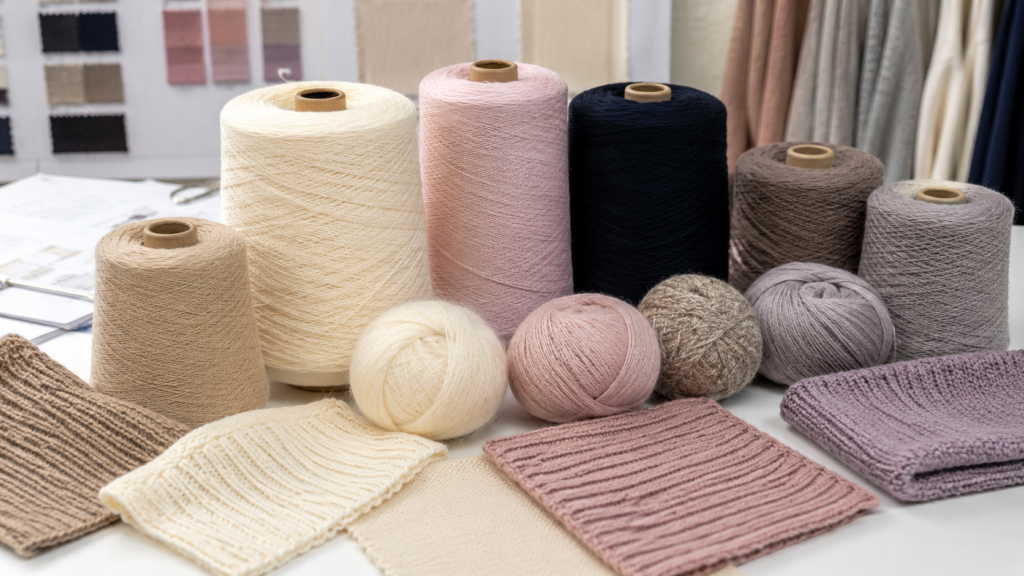
Material selection is also important in both OEM and ODM knitwear projects.
If the customer already has a required yarn composition, the manufacturer can check feasibility and sourcing options. If the customer does not have a fixed material direction, the manufacturer can suggest suitable options based on the design, season, target market, and price level.
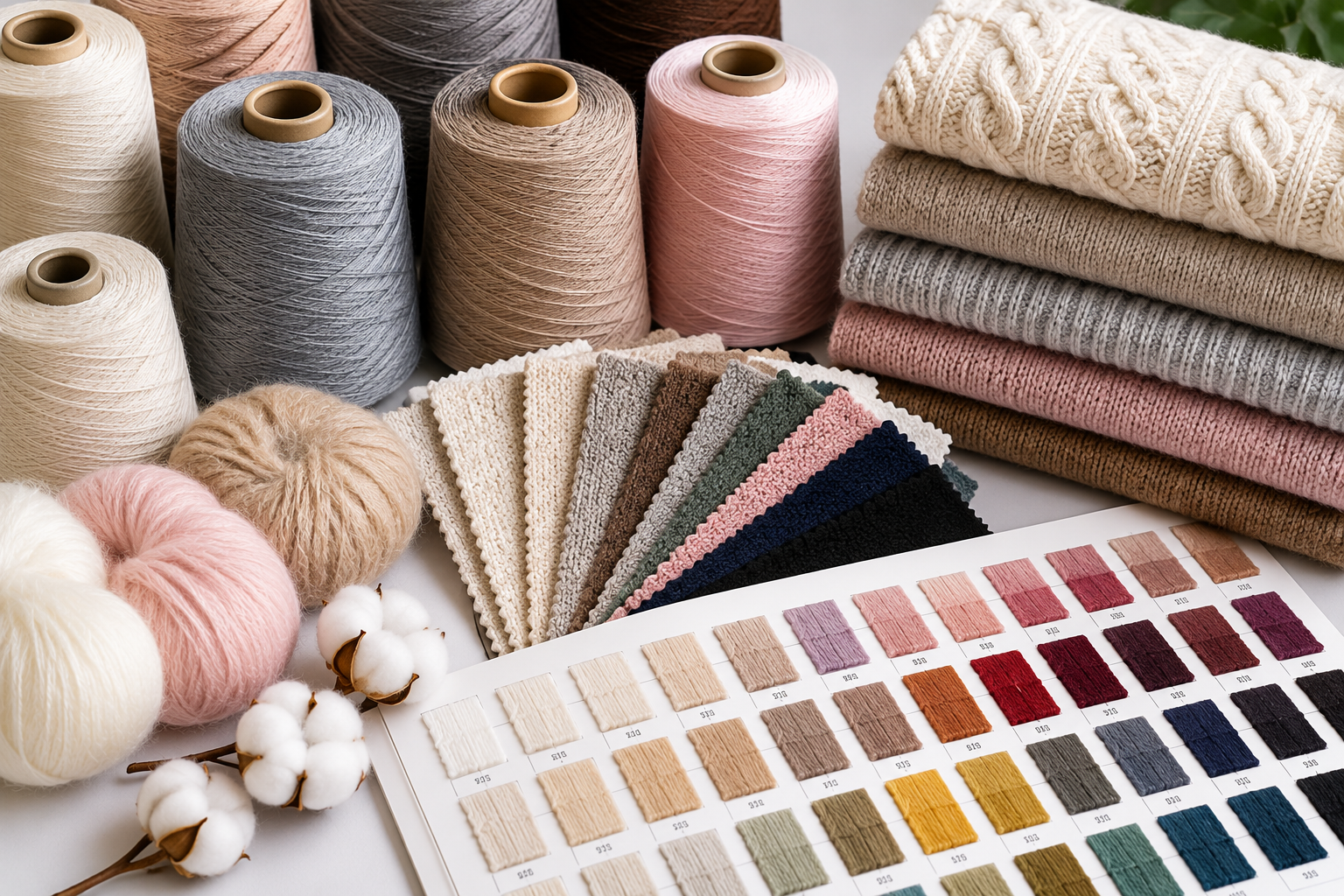
For women’s knitwear, commonly used materials include viscose, polyester, nylon, polyamide, and blended yarns. Different compositions can create different textures, hand feels, weights, and price levels.
Choosing the right material early can help make quotation, sampling, and production more efficient.
How to Prepare for OEM or ODM Cooperation
Before contacting a women’s knitwear manufacturer, customers can prepare some basic information to make communication more efficient.
Helpful information includes:
- Product type
- Reference photos or tech packs
- Target material
- Size range
- Color requirements
- Estimated order quantity
- Target price level
- Label and packaging requirements
- Delivery schedule
If you already have detailed files, the manufacturer can check the quotation and sample development more directly. If you only have a general idea, the supplier can still discuss suitable development options with you.
Work with Janbow Apparel
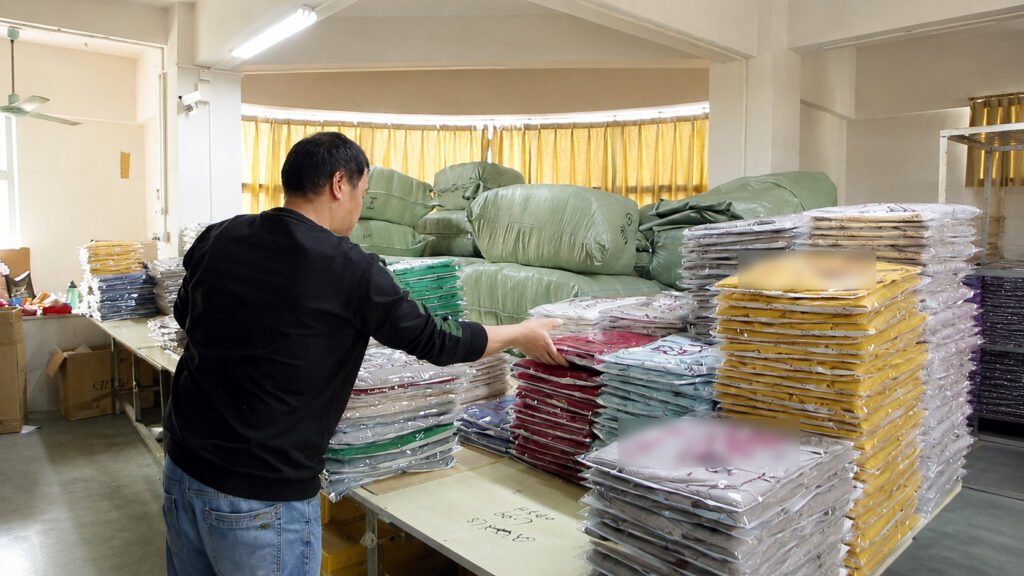
At Janbow Apparel, we support OEM and ODM women’s knitwear production for brands, wholesalers, and importers.
Our products include women’s sweaters, cardigans, pullovers, and knit dresses. Whether customers provide tech packs, reference photos, samples, or design ideas, we can help discuss materials, sample development, MOQ, quotation, production, quality inspection, and packing details.
Our goal is to help customers develop practical and market-ready knitwear products through clear communication and stable production support.
Start Your Custom Knitwear Project
Looking for an OEM or ODM women’s knitwear manufacturer?
Contact Janbow Apparel for catalogs, sample development, quotation, and custom production support.