Introduction
Choosing the right knitwear manufacturer is an important decision for fashion brands, retailers, and wholesalers. A manufacturer is not only responsible for producing the garments. Their experience, communication, sampling ability, quality control, and production capabilities can all affect the final product and the overall development process.
For brands developing custom women’s knitwear, it can be difficult to evaluate manufacturers based only on product photos or price quotations. A supplier may offer competitive prices, but that does not necessarily mean they are the right partner for your products.
Before placing an order, it is worth looking at several key factors.
1. Check the Manufacturer’s Product Focus
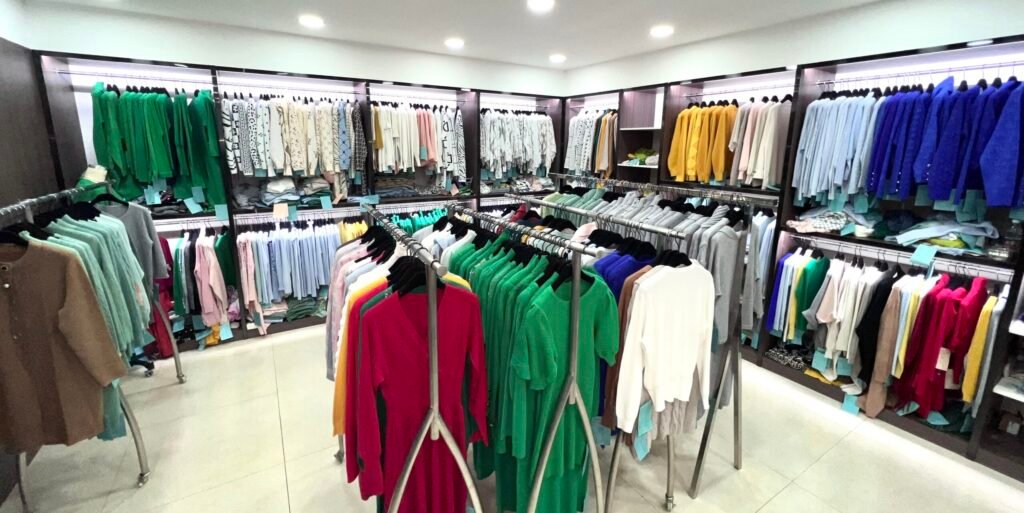
Start by checking what type of products the manufacturer specializes in.
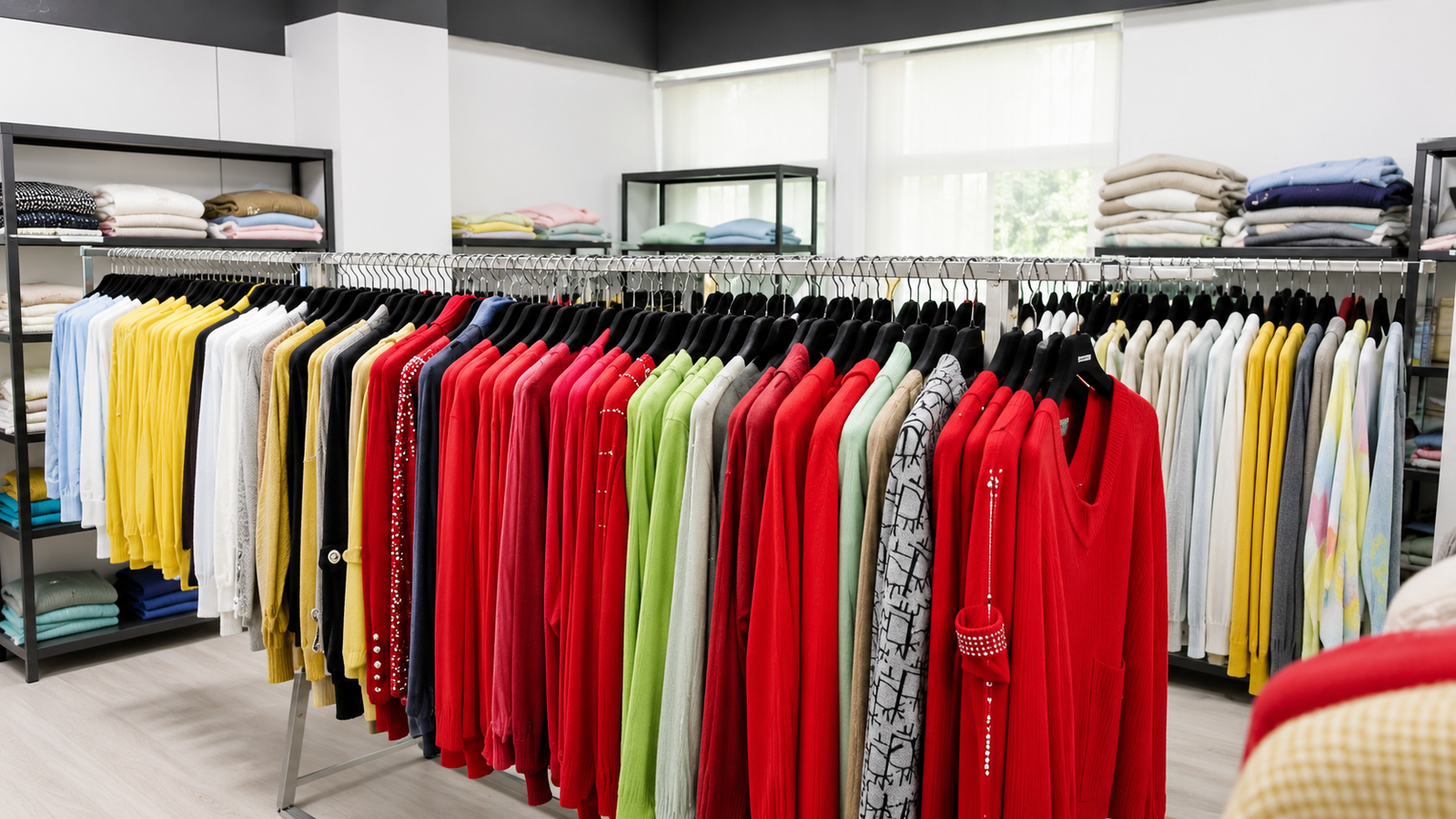
Some factories produce many different types of clothing, while others focus on specific product categories. If your business mainly sells women’s sweaters, cardigans, pullovers, or knit dresses, working with a manufacturer that has experience in women’s knitwear can make communication and product development easier.
A manufacturer with a clear product focus is more likely to understand common knitwear requirements, including yarn selection, knitting structures, garment measurements, finishing, and quality expectations.
You can also review the manufacturer’s previous products to see whether their product range is close to your own brand’s style.
2. Evaluate Customization and Development Capability
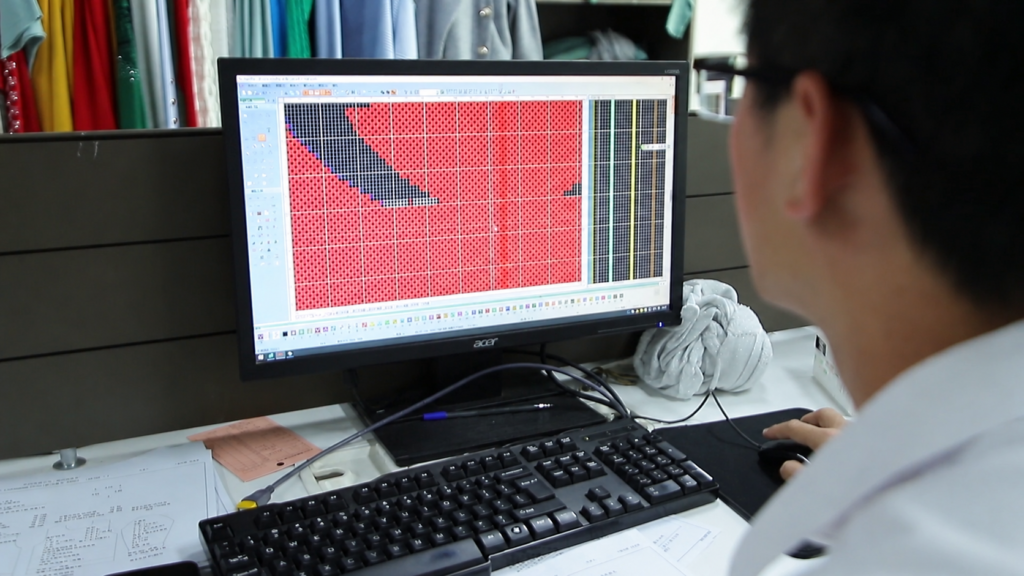
If you are developing your own products, customization capability is an important factor.
Ask whether the manufacturer can work with different types of references, such as:
- Technical drawings
- Reference photos
- Existing garments
- Samples
- Design ideas
A good manufacturer should be able to understand your requirements and communicate what is technically possible.
For custom women’s knitwear, the development process may involve adjustments to the yarn, color, knitting structure, measurements, or garment details. The ability to discuss these points clearly can be just as important as the final production price.
3. Ask About Sample Development
Sampling is an important stage before bulk production.
A sample allows you to evaluate the garment’s appearance, measurements, hand feel, construction, and overall quality before committing to a larger order.
When evaluating a manufacturer, ask how they handle sample development and revisions.
It is also useful to understand whether the manufacturer can make adjustments after reviewing your comments. A clear sample development process can reduce misunderstandings and help both sides reach the desired result more efficiently.
For brands developing new styles, a manufacturer that is experienced in sampling can be particularly valuable.
4. Understand Their Yarn and Material Options
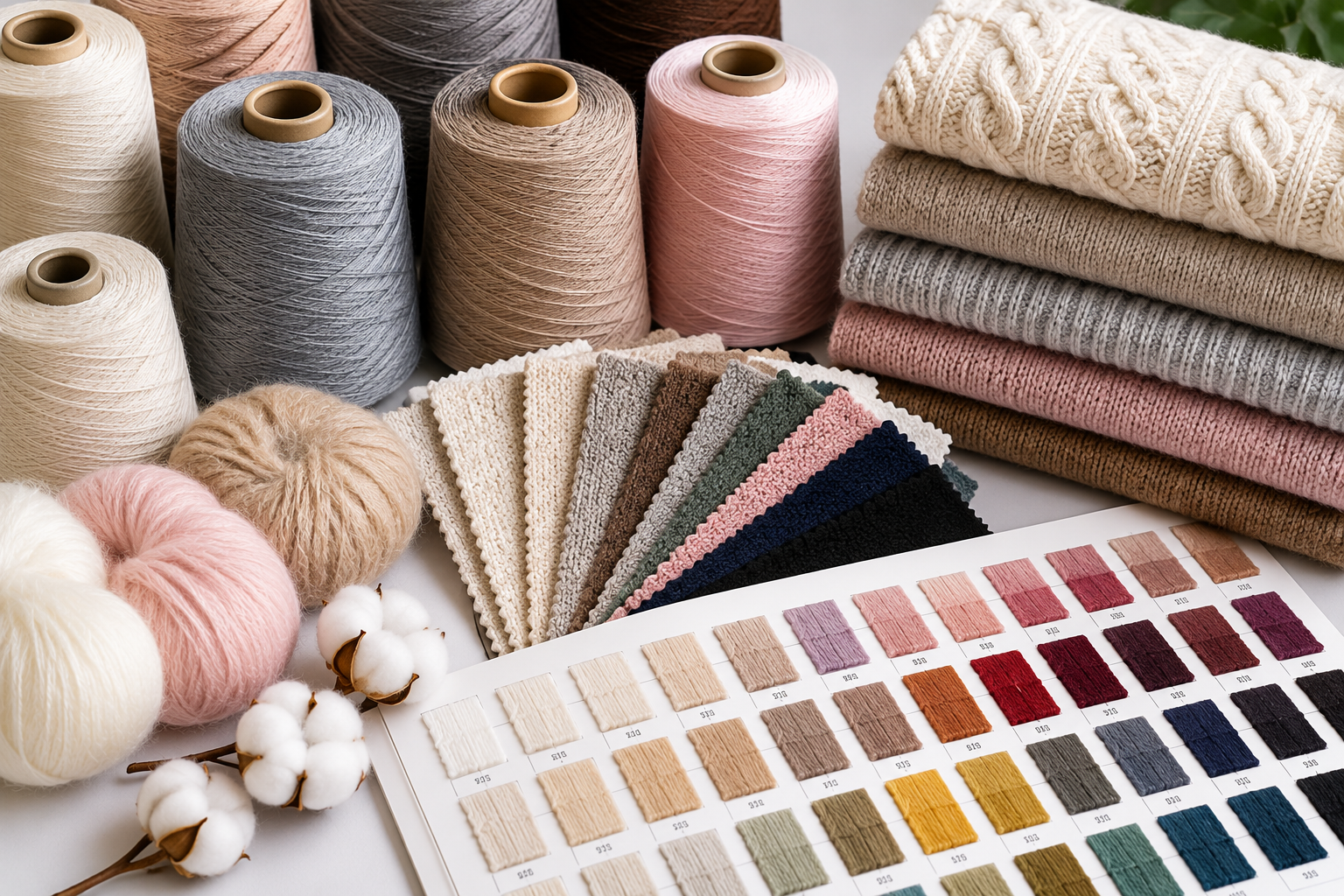
Yarn has a major influence on the final appearance and feel of a knitted garment.
Different materials can affect softness, drape, stretch, durability, weight, and appearance. Common options used in women’s knitwear include viscose, polyester, nylon, polyamide, and blended yarns.
You do not always need to decide on the exact yarn before contacting a manufacturer.
If you know the desired hand feel, appearance, price range, or performance requirements, you can discuss suitable options with the manufacturer.
A supplier with experience in different yarn compositions may also be able to suggest alternatives when a specific material does not meet the requirements of the product.
5. Look at Quality Control

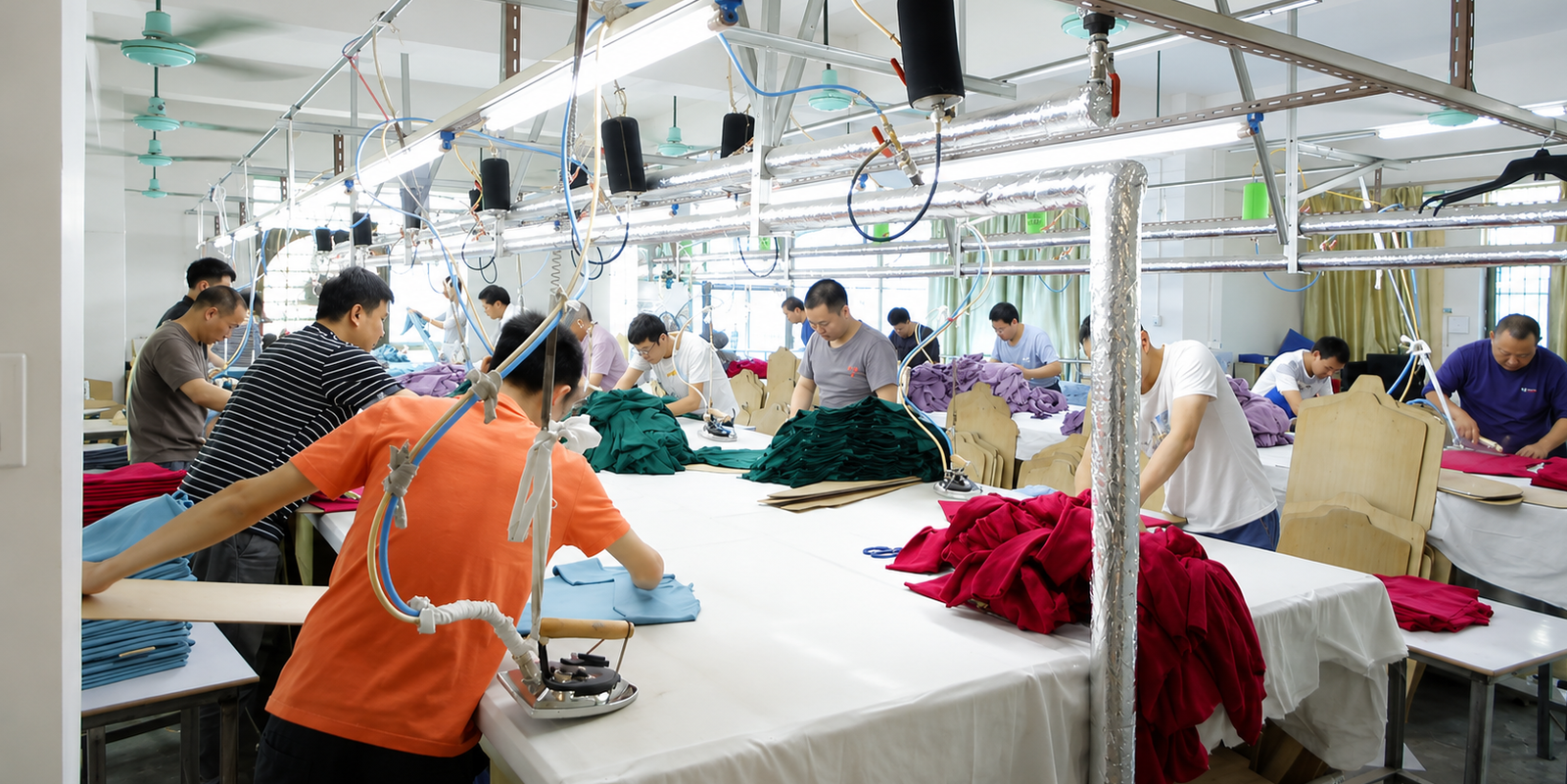
Quality control should be considered before placing an order, rather than only after production is completed.
Ask the manufacturer how quality is checked during the production process.
Depending on the factory, quality control may cover areas such as:
- Measurements
- Knitting defects
- Color consistency
- Stitching and finishing
- Garment appearance
- Labels and packaging
A clear quality control process can help identify problems earlier and reduce the risk of receiving products that do not meet the agreed specifications.
It is also useful to confirm what happens if a quality issue is discovered during production or inspection.
6. Compare MOQ and Production Requirements
Minimum Order Quantity, or MOQ, is another important consideration.
Different manufacturers may have different MOQ requirements depending on the product, yarn, color, and production method.
A very low MOQ may seem attractive, but it does not always mean that the manufacturer is the best choice. On the other hand, a very high MOQ may not be suitable for smaller brands or new product launches.
When comparing suppliers, consider whether their MOQ and production requirements match your actual business needs.
At Janbow Apparel, our usual MOQ starts from around 300 pieces per style, depending on the design, yarn, color, and production requirements.
7. Consider Communication and Lead Time
Good communication can make a significant difference throughout product development.
Before placing an order, pay attention to how clearly the manufacturer answers questions and whether important details are confirmed in writing.
You can also ask about the expected production lead time.
For custom knitwear, the timeline may depend on sampling, yarn availability, production scheduling, and order requirements. Having a realistic timeline from the beginning helps brands plan their collections and inventory more effectively.
8. Ask the Right Questions Before Ordering
Before choosing a manufacturer, prepare a short list of questions.
For example:
- What types of knitwear do you specialize in?
- Can you develop custom designs?
- What information do you need for sampling?
- What yarn compositions are available?
- What is your MOQ?
- What is the typical sample and production lead time?
- How do you control quality?
- What packaging options are available?
The answers can give you a much clearer picture of whether the manufacturer is suitable for your project.
Conclusion
Choosing a knitwear manufacturer should not be based on price alone.
Product experience, customization capability, sample development, material options, quality control, MOQ, lead time, and communication all play an important role in building a successful manufacturing relationship.
For brands, retailers, and wholesalers developing custom women’s knitwear, taking time to evaluate these factors before placing an order can help reduce unnecessary problems later in the production process.
Work with Janbow Apparel
At Janbow Apparel, we support custom women’s knitwear development and production for fashion brands, wholesalers, and importers.
Our main products include women’s sweaters, cardigans, pullovers, and knit dresses. We work with materials including viscose, polyester, nylon, polyamide, and blended yarns according to product requirements.
Whether you already have a specific yarn specification or need help choosing a suitable material for a new design, we can discuss material options during the sample development process.
Start Your Custom Knitwear Project
Developing a new women’s knitwear collection?
Contact Janbow Apparel for catalogs, material discussion, sample development, quotation, and custom production support.