Introduction
Sampling is an important step in custom women’s knitwear production. Before starting bulk production, a sample helps both the customer and manufacturer confirm the design, material, measurements, workmanship, color, and overall garment appearance.
For fashion brands, wholesalers, and importers, sampling is not only about checking one piece of clothing. It is a practical way to reduce production risks and make sure the final bulk order follows the confirmed requirements.
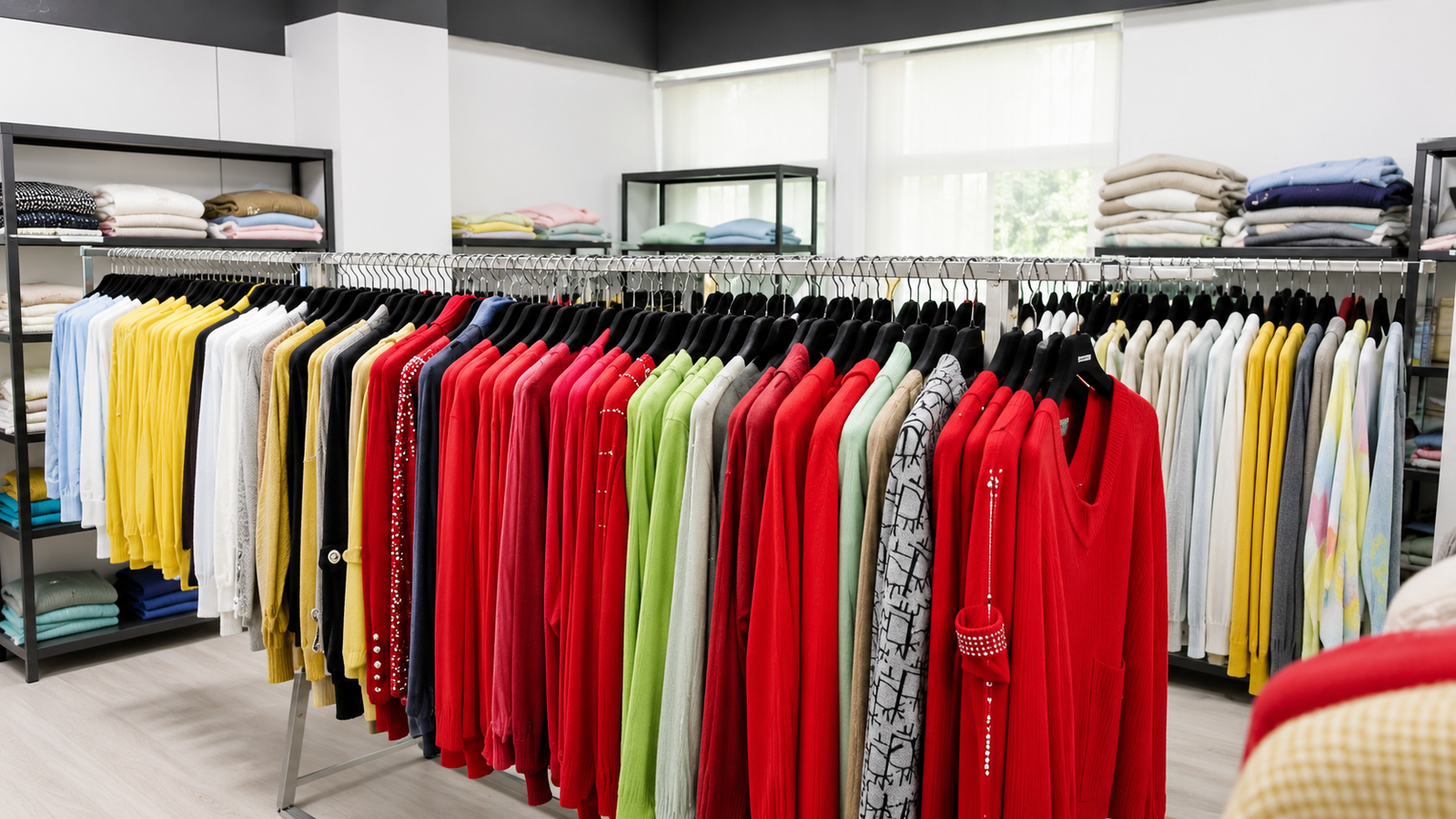
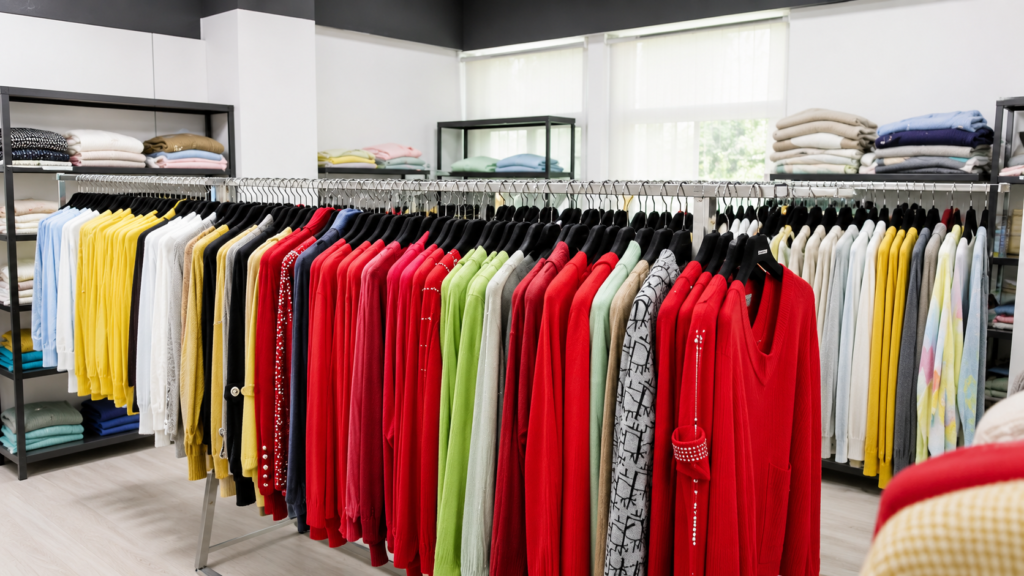
At Janbow Apparel, we support women’s knitwear sample development for sweaters, cardigans, pullovers, and knit dresses. In this article, we explain what usually happens during the sampling process and why it matters before bulk production.
Why Sampling Matters in Women’s Knitwear
Women’s knitwear is different from many simple ready-made garments. The final result can be affected by yarn composition, knitting structure, garment weight, stretch, size, shape, and finishing.
A design may look clear in a reference photo or tech pack, but the actual garment still needs to be tested through sample development.
Sampling helps customers check:
- Overall style
- Hand feel
- Garment shape
- Measurements
- Knitting texture
- Color effect
- Workmanship
- Labels and trims
- Final presentation
By confirming these details before bulk production, both sides can avoid unnecessary mistakes and improve production efficiency.
Step 1: Sharing Design Requirements
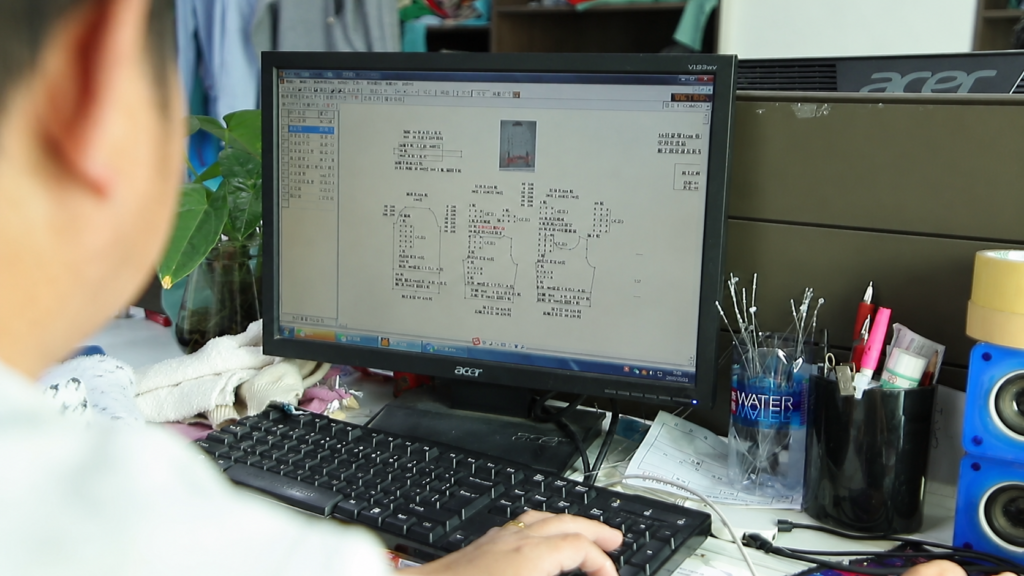
The sampling process usually starts with customer requirements. Customers may provide a tech pack, reference photo, sketch, sample garment, measurement chart, yarn composition, or target price range.
The more complete the information is, the easier it is for the manufacturer to understand the product direction.
For example, if a customer wants to develop a women’s cardigan, useful information may include the cardigan length, neckline, button style, yarn composition, size range, color, and target order quantity.
If the customer does not have a complete tech pack, reference photos can also be a good starting point for discussion.
Step 2: Checking Material and Yarn Options
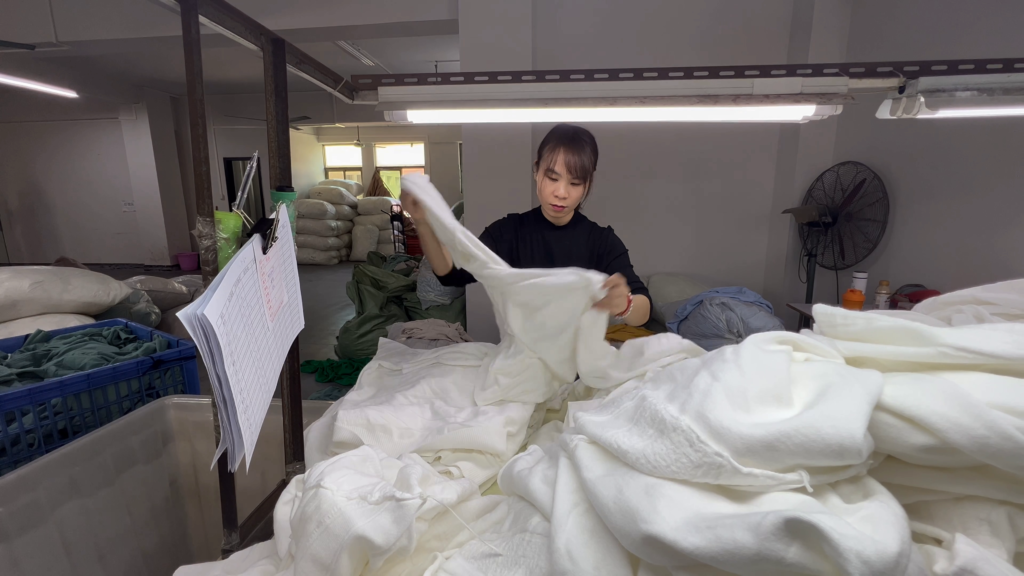
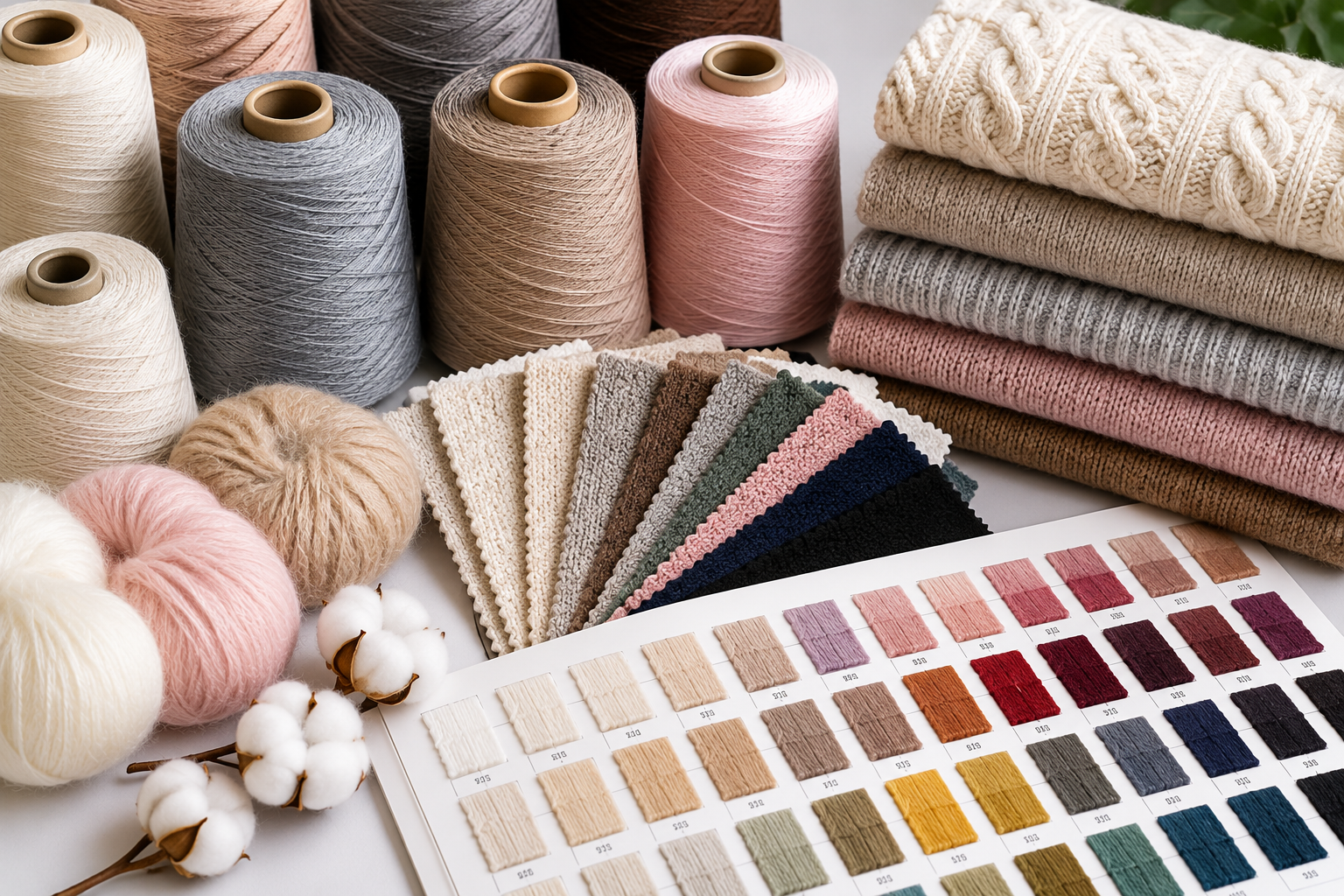
Material selection is an important part of women’s knitwear sampling. Different yarns can create different hand feels, weights, textures, and price levels.
For women’s sweaters and knitwear, commonly used materials include viscose, polyester, nylon, polyamide, and blended yarns.
During sampling, the manufacturer may check whether the requested material is suitable for the design. For example, a lightweight pullover, a structured cardigan, and a knit dress may need different yarn choices.
Choosing the right material early can help make the sample closer to the final production requirement.
Step 3: Developing the First Sample
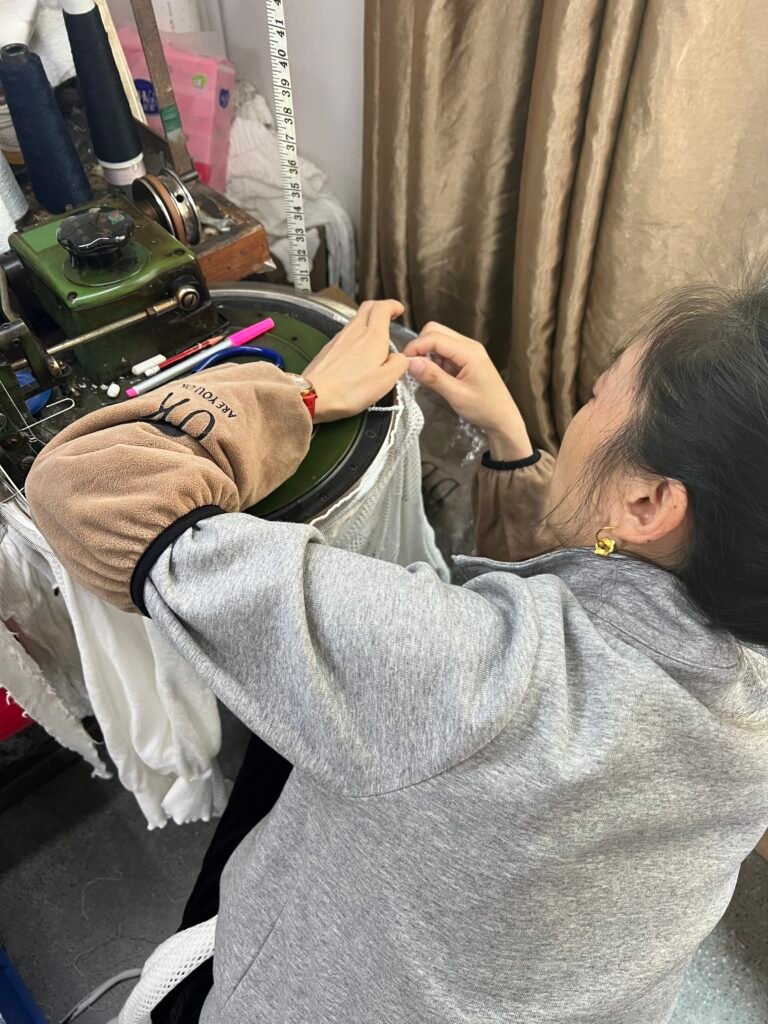
After the design and material direction are confirmed, the manufacturer can start developing the first sample.
During this stage, the team focuses on turning the design idea into a real garment. Important details include knitting structure, garment shape, measurements, workmanship, and finishing.
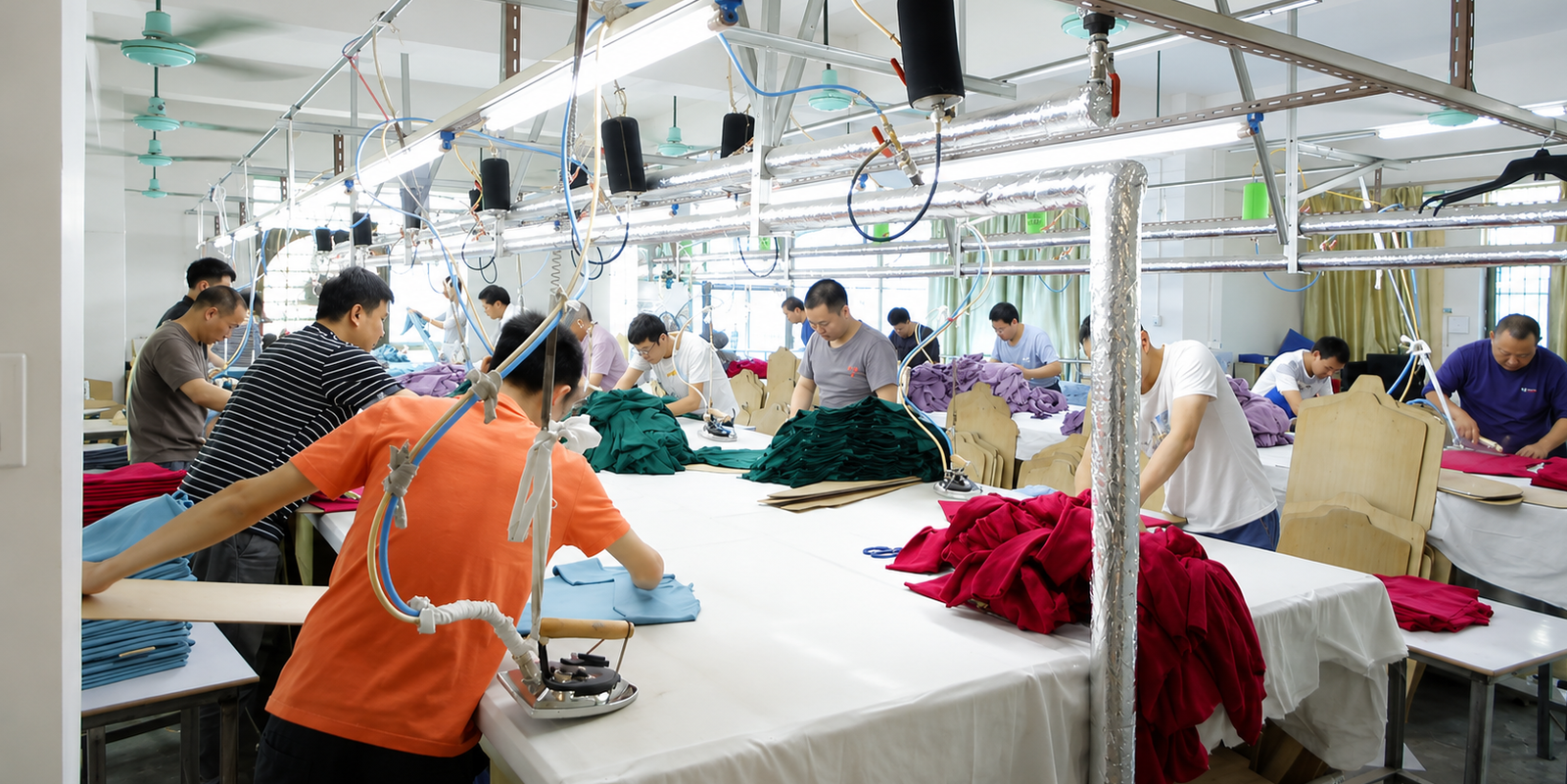
For custom women’s knitwear, sample development usually takes time because the garment needs to be knitted, linked, finished, checked, and prepared for customer review.
In many cases, sample development may take around 7–10 days, depending on the style, material, design complexity, and current production schedule.
Step 4: Reviewing the Sample
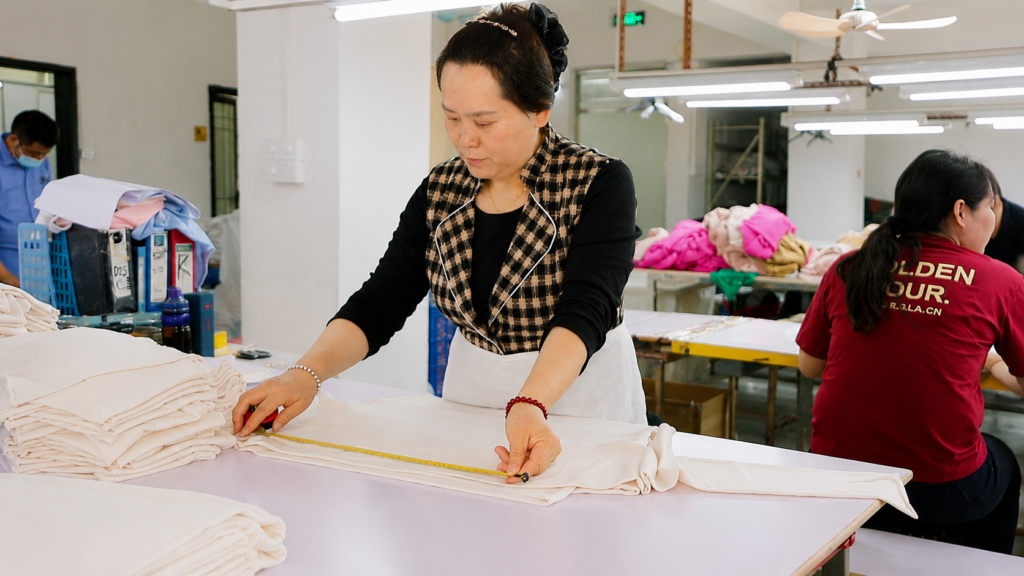
After the sample is finished, the customer can review it carefully.
The review should not only focus on whether the garment looks good. Customers should also check measurements, hand feel, garment weight, color, shape, workmanship, and whether the sample matches the original requirements.
If the sample is approved, the project can move forward to quotation confirmation or bulk production preparation.
If changes are needed, customers can provide clear comments for revision. Specific comments are always more helpful than general feedback. For example, “reduce sleeve length by 2 cm” is clearer than “the sleeve feels too long.”
Step 5: Sample Revision if Needed
Sometimes the first sample may need adjustment. This is normal in custom knitwear development, especially when the design is new or the customer is still confirming the final direction.
Common sample revisions may include:
- Adjusting body length
- Changing sleeve length
- Modifying neckline shape
- Improving garment fit
- Changing yarn or texture
- Adjusting color
- Improving workmanship details
- Changing labels or trims
Sample revision helps make the final product closer to the customer’s expectation before production begins.
Step 6: Final Sample Approval
Final sample approval is an important step before bulk production.
Once the sample is approved, it becomes an important reference for production and quality inspection. The approved sample helps the manufacturer understand the final garment shape, workmanship standard, material, color, labels, and finishing requirements.
Before approval, customers should make sure all important details are confirmed clearly, including measurements, yarn composition, color, trims, packaging, and any special production requirements.
Clear sample approval helps reduce misunderstandings during bulk production.
What Can Affect Sampling Time?
Sampling time can be affected by several factors.
These may include:
- Design complexity
- Yarn availability
- Special color requirements
- Knitting structure
- Size and measurement details
- Label and trim preparation
- Number of revisions
- Customer feedback speed
For simple styles with available materials, sampling may be faster. For more complex knitwear styles, special yarns, jacquard patterns, textured structures, or multiple changes may require more time.
This is why it is helpful for customers to prepare clear information before starting the sampling process.
How Customers Can Prepare for Sampling
To make sampling more efficient, customers can prepare the following information:
- Reference photos or design sketches
- Tech pack if available
- Measurement chart
- Target yarn composition
- Color requirements
- Size range
- Label and trim requirements
- Target price range
- Estimated order quantity
- Delivery schedule
Even if not all details are ready, sharing the most important information at the beginning can help the manufacturer provide more practical suggestions.
Sampling and Bulk Production
Sampling is directly connected to bulk production. A well-confirmed sample can help reduce mistakes, improve quality consistency, and make production planning more efficient.
For custom women’s knitwear, many small details can affect the final product. Yarn, measurements, stitching, finishing, labels, and packing should all be confirmed before production begins.
That is why sampling should be treated as a serious part of the development process, not just a formality.
Work with Janbow Apparel
At Janbow Apparel, we support custom women’s knitwear sampling and bulk production for fashion brands, wholesalers, and importers.
Our products include women’s sweaters, cardigans, pullovers, and knit dresses. Customers can provide tech packs, reference photos, sample garments, or design ideas, and we can help discuss materials, sample development, quotation, MOQ, production, quality inspection, and packing details.
A clear sampling process helps both sides develop better products and prepare for bulk production more smoothly.
Start Your Custom Knitwear Project
Looking for a women’s knitwear manufacturer for your next collection?
Contact Janbow Apparel for catalogs, sample development, quotation, and custom production support.