Introduction
When customers request a quotation for custom women’s knitwear, the more complete the information is, the more accurate and efficient the quotation process will be.
For custom sweaters, cardigans, pullovers, and knit dresses, the final price is affected by many details, including design, yarn composition, garment weight, size range, color quantity, MOQ, workmanship, labels, packing, and delivery requirements.
At Janbow Apparel, we support custom women’s knitwear production for brands, wholesalers, and importers. To help customers start the process more smoothly, here are the key details you can prepare before requesting a quotation.
1. Product Type and Style
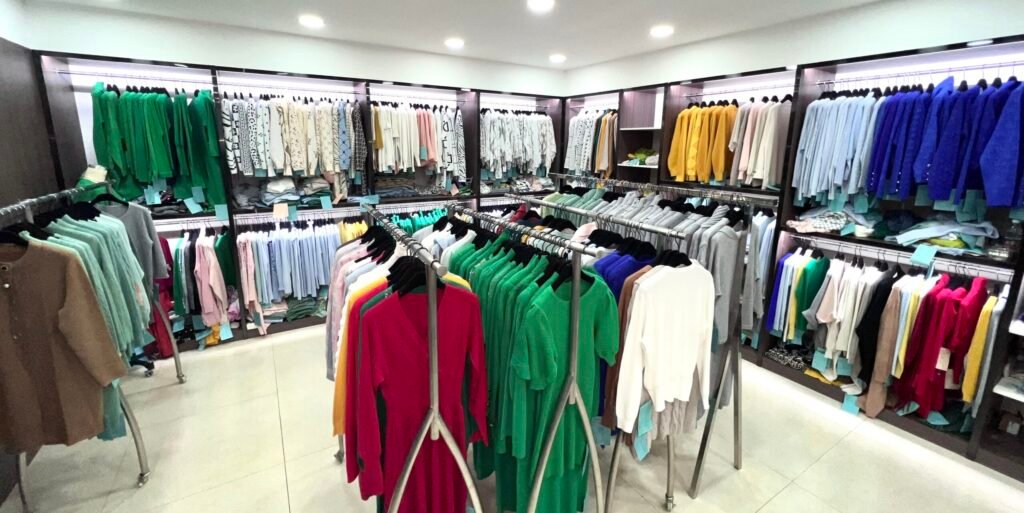
The first detail to confirm is the product type. Different knitwear styles may require different production methods, yarn usage, and workmanship.
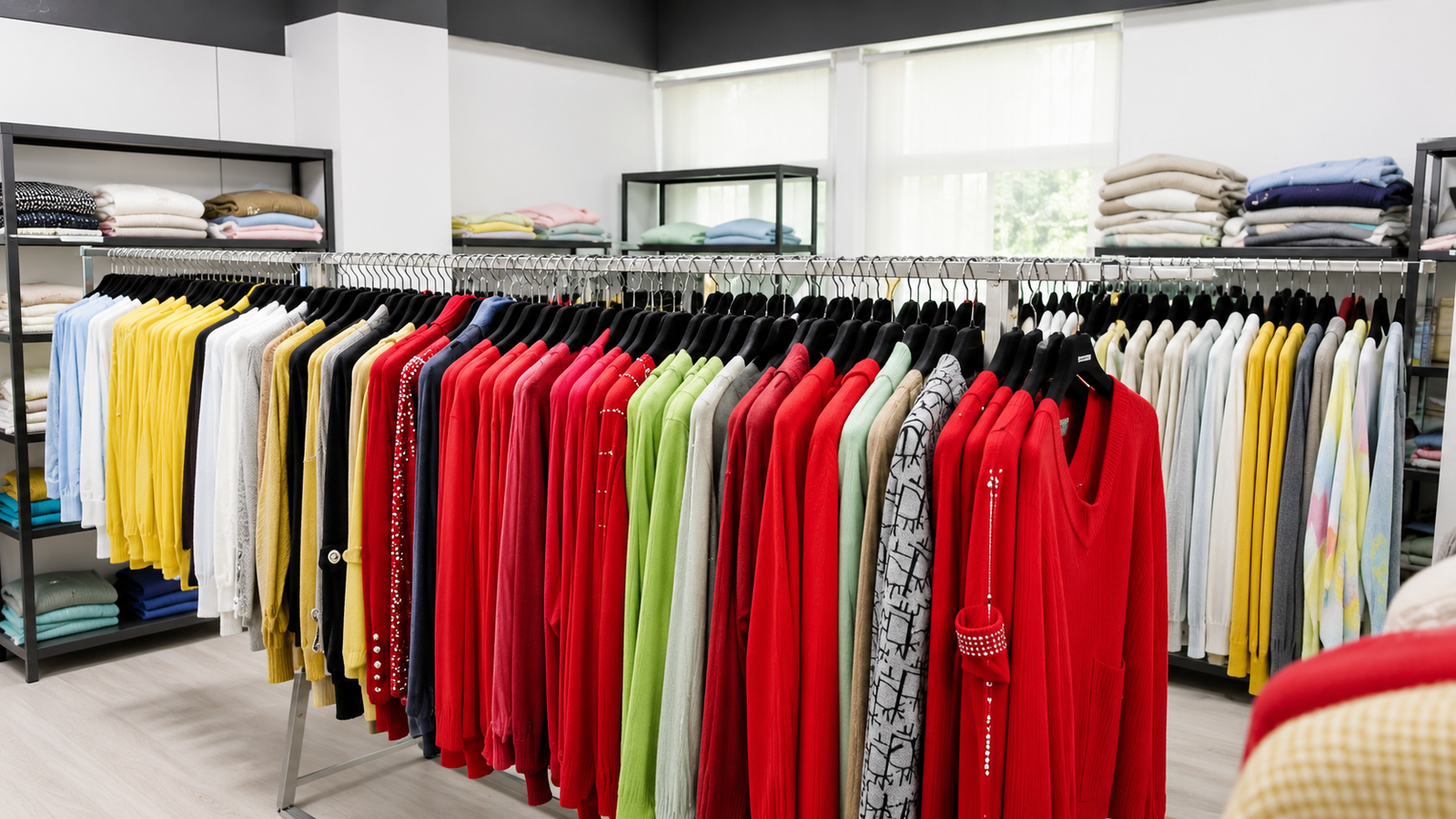
For example, a simple pullover, a button cardigan, a knit dress, and a textured sweater may have different costs even if the quantity is the same. The more clearly you describe the style, the easier it is for the manufacturer to understand the product direction.
Customers can share product names, reference photos, sketches, tech packs, or sample garments. If you only have a reference image, that is also a good starting point for discussion.
2. Material or Yarn Composition
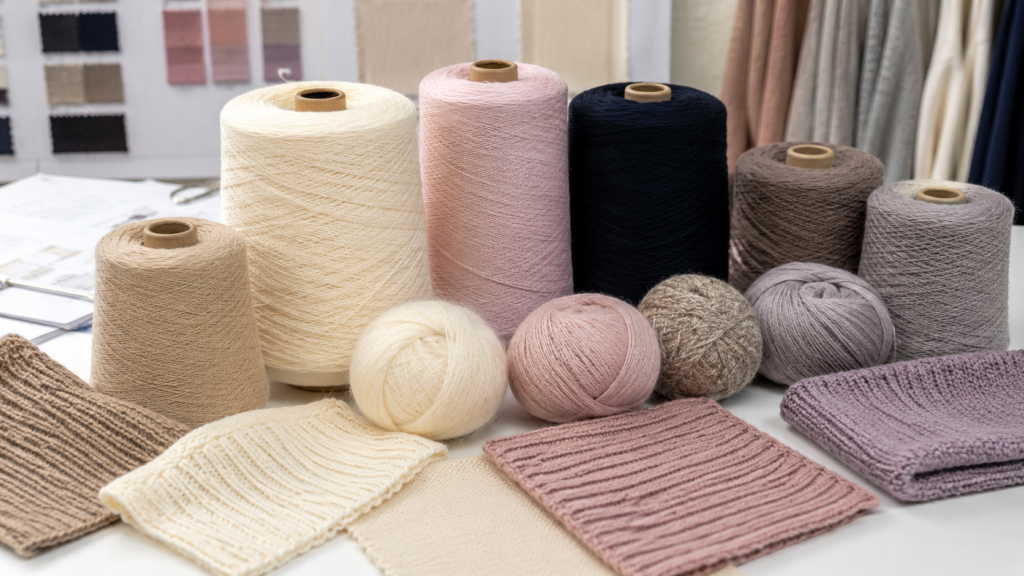
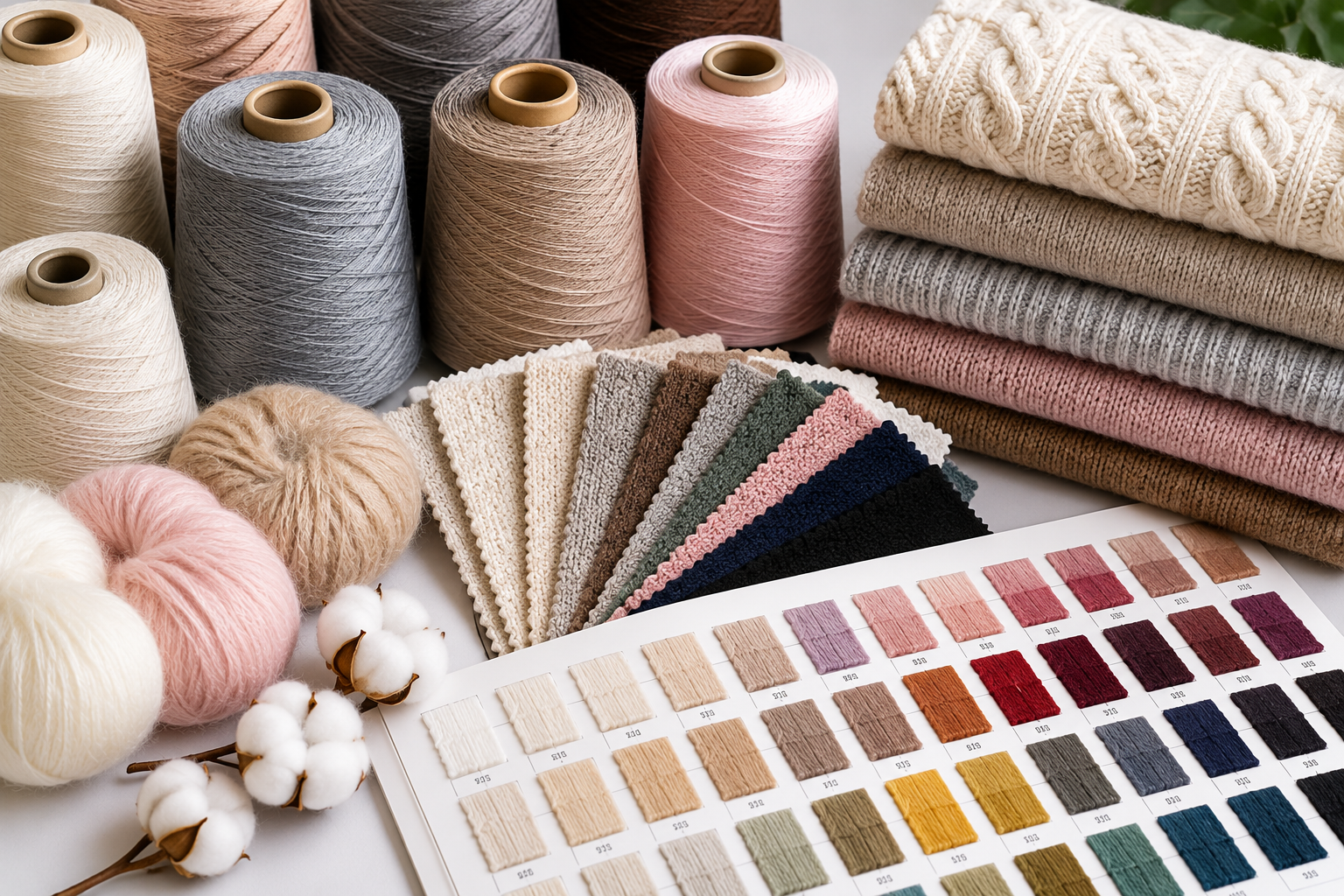
Material selection is one of the most important factors in knitwear quotation. Different yarn compositions can affect the hand feel, weight, appearance, durability, and price of the garment.
For women’s knitwear, common materials include viscose, polyester, nylon, polyamide, and blended yarns. Different blends can create different textures and price levels.
If you already have a target composition, you can share it with the manufacturer. If you are not sure which material is suitable, you can also provide your target market, season, and price level, so the supplier can suggest practical options.
3. Size Range and Measurements
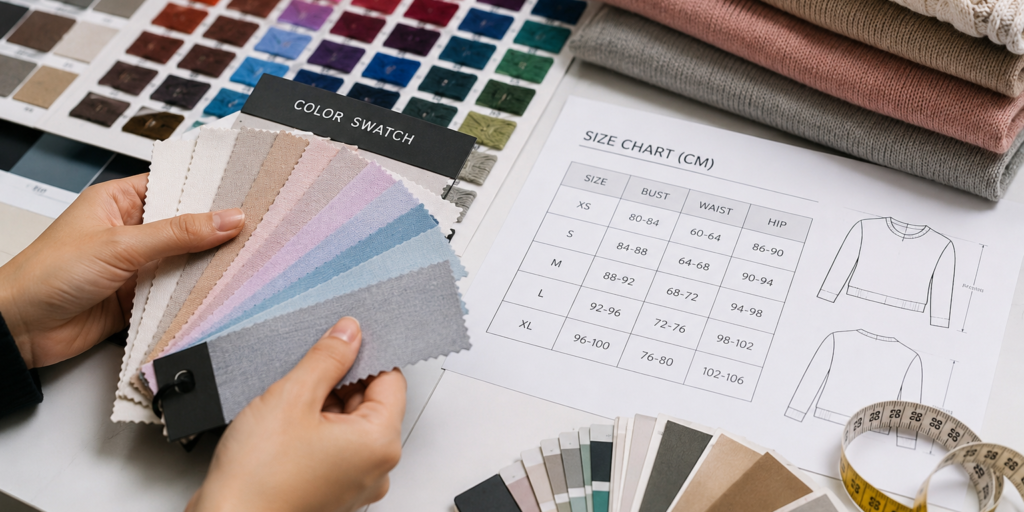
Size range also affects quotation, especially for custom knitwear. Larger sizes usually require more yarn and may affect the final cost.
If you have a size chart, it is helpful to provide it at the beginning. Important measurements may include body length, chest width, shoulder width, sleeve length, and hem width.
For brands selling to different markets, size requirements may vary. Confirming the size range early can help avoid misunderstandings during sample development and bulk production.
4. Order Quantity and Color Quantity
MOQ and color quantity are closely related to quotation. For custom knitwear, the price for 300 pcs, 500 pcs, 1000 pcs, or 2000 pcs may be different because production costs are spread across different quantities.
Color quantity is also important. Producing one color in 300 pcs is different from producing three colors with 100 pcs each. More colors may increase material preparation, production arrangement, and quality control work.
For many custom knitwear styles, our usual MOQ starts from around 300 pcs per style, depending on the design, yarn, color, and production requirements.
5. Workmanship and Design Details
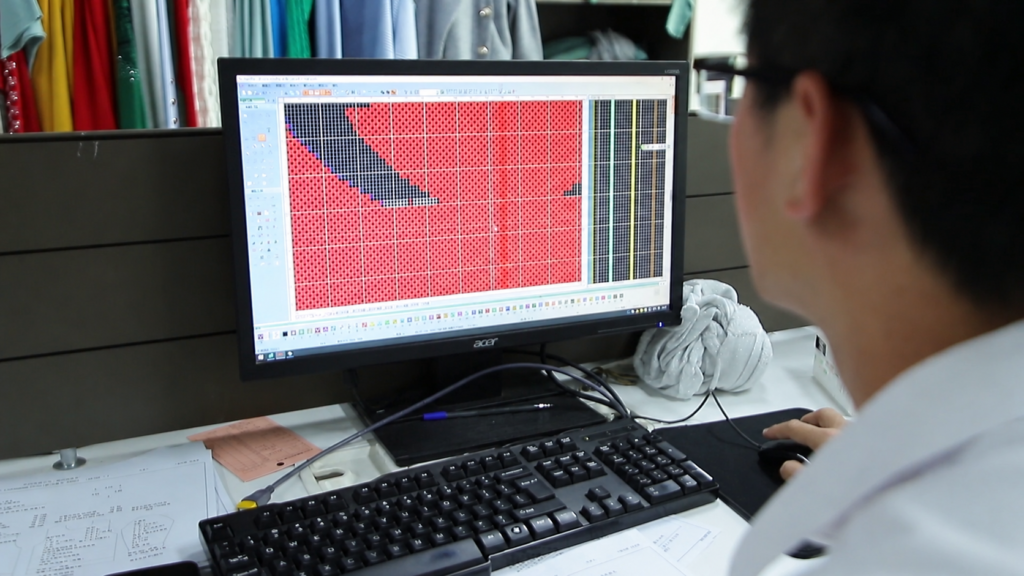
Some design details may increase production difficulty and affect the final quotation. These can include special knitting textures, jacquard patterns, embroidery, buttons, zippers, rib details, special necklines, or other decorative elements.
For knitwear, even small details can affect production time and cost. That is why clear photos or design notes are useful during the quotation stage.
If the design is complex, sample development may be needed before the final price can be confirmed accurately.
6. Labels, Packaging, and Accessories
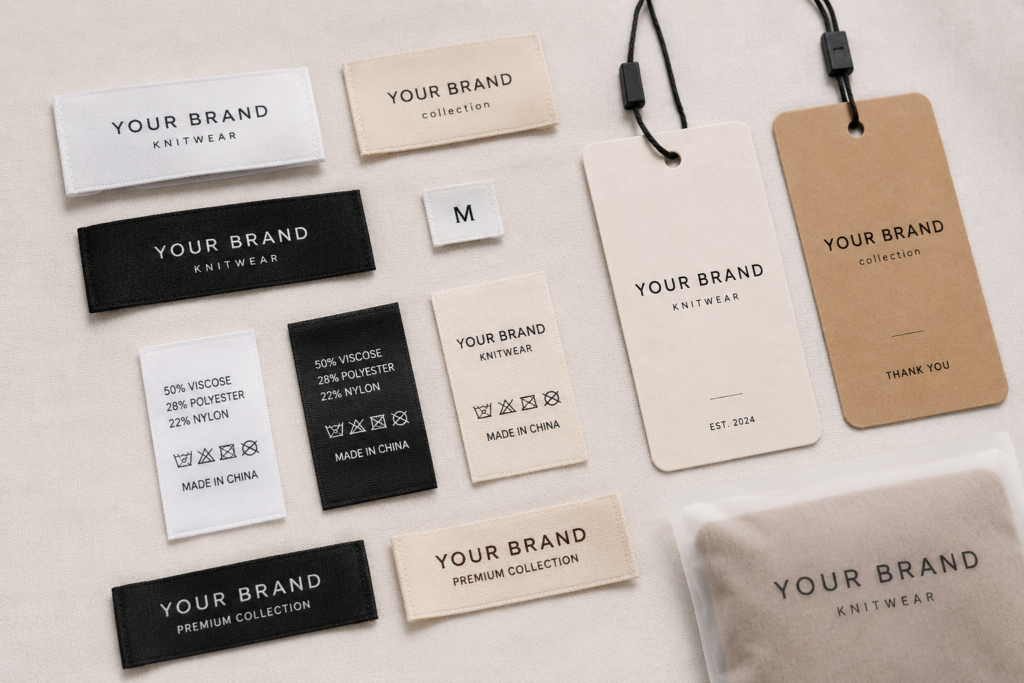
Custom labels, wash labels, hang tags, polybags, cartons, and other packaging requirements can also affect the quotation.
For B2B orders, many brands need custom brand labels or specific packing methods. If you already have label files or packing requirements, you can share them with the manufacturer before quotation.
If not, the supplier can usually provide standard options first, and custom details can be discussed later.
7. Target Price and Market Positioning
If you have a target price range, it is useful to share it early. This does not mean the factory will simply match any price, but it helps both sides understand the direction.
For example, a customer targeting a mid-range fashion market may choose different yarns and workmanship compared with a customer looking for a more cost-effective wholesale product.
Clear market positioning helps the manufacturer suggest more suitable materials, design adjustments, and production solutions.
8. Delivery Schedule
Lead time is another important detail before quotation. If you have a target delivery date or selling season, it is better to mention it early.
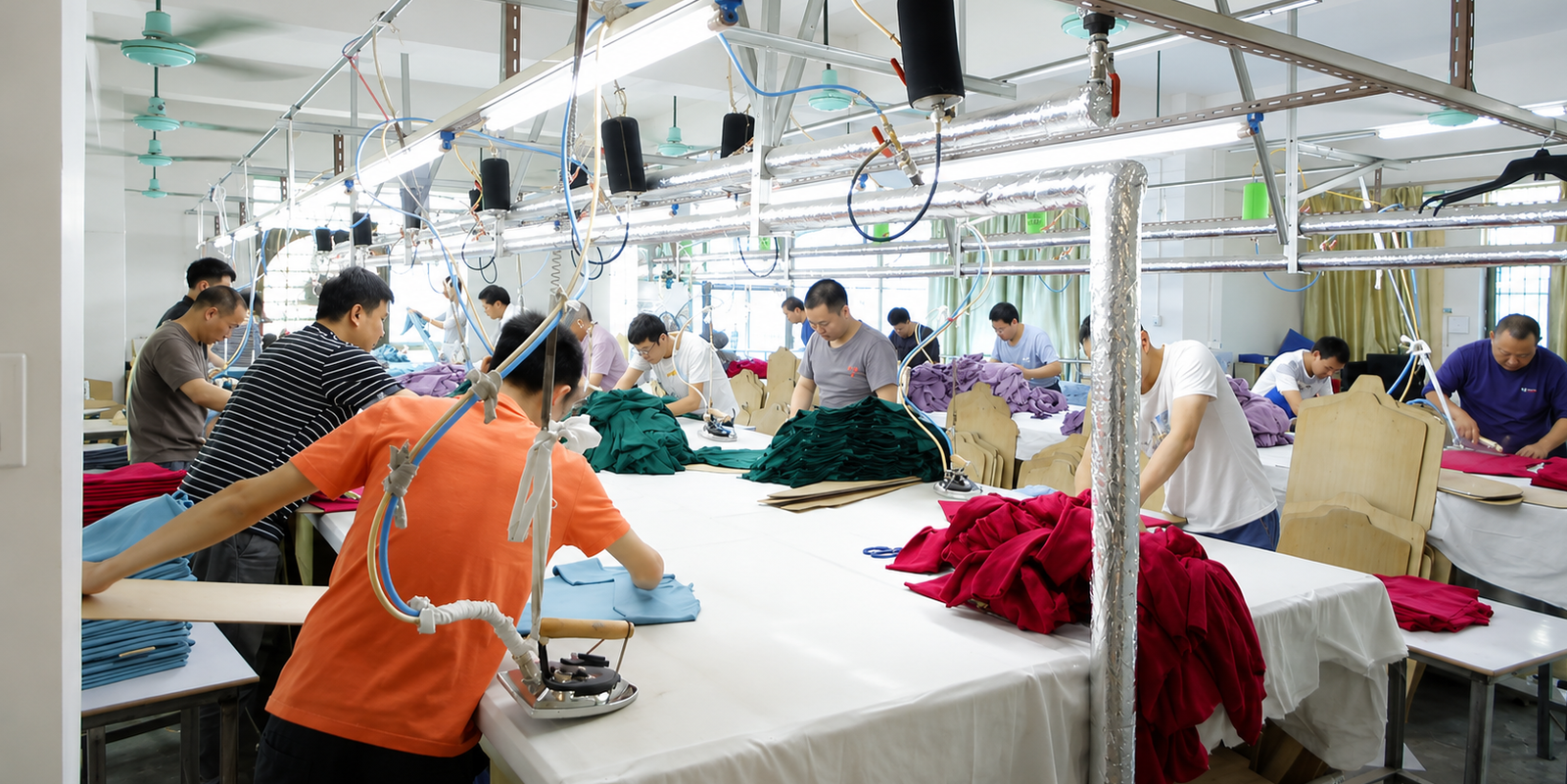
Custom knitwear production usually includes material preparation, sample development, bulk production, quality inspection, packing, and shipping arrangement. If the schedule is tight, the manufacturer needs to check whether production can be arranged in time.
A clear schedule helps both sides plan the order more realistically.
Why Complete Information Helps
A complete quotation request can save time for both customers and manufacturers. It helps reduce repeated communication, avoid misunderstandings, and improve quotation accuracy.
For custom women’s knitwear, price is not decided by one factor only. It is the result of design, material, size, quantity, workmanship, packing, and production requirements.
The clearer the information is, the smoother the development and ordering process can be.
Work with Janbow Apparel
At Janbow Apparel, we support custom women’s knitwear development and bulk production for brands, wholesalers, and importers. Our products include women’s sweaters, cardigans, pullovers, and knit dresses.
Whether you already have a tech pack or only a reference photo, we can help discuss materials, sample development, MOQ, quotation, and production details based on your requirements.
Start Your Custom Knitwear Project
Looking for a women’s knitwear manufacturer for your next collection?
Contact Janbow Apparel for catalogs, sample development, quotation, and custom production support.
If you are still deciding product direction, you can also review popular women’s knitwear styles for fashion brands.https://janbowapparel.com/popular-womens-knitwear-styles/