Introduction
Sample approval is one of the most important steps before bulk production. For custom women’s knitwear, a sample is not only used to check whether the design looks good. It also helps confirm measurements, yarn, hand feel, garment shape, workmanship, colors, labels, and other production details.
A careful sample review can reduce misunderstandings and unnecessary changes during bulk production.
At Janbow Apparel, we support custom women’s knitwear development for brands, wholesalers, and importers. Our main products include women’s sweaters, cardigans, pullovers, and knit dresses.
Before confirming a sample for bulk production, here are several important points that customers can check.
1. Check the Overall Shape and Fit
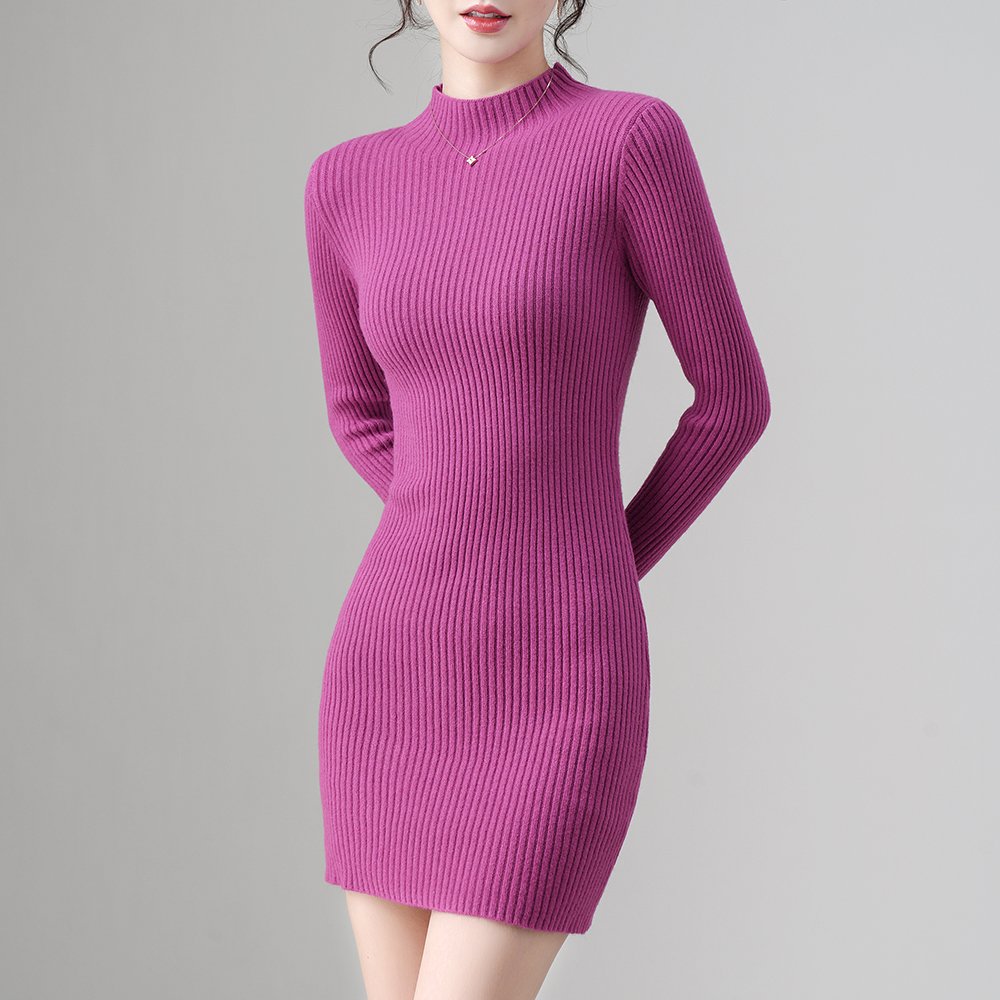
The first step is to look at the overall garment shape.
Does the sample match the intended design? Is the silhouette too loose, too fitted, too long, or too short? For styles such as oversized sweaters, fitted cardigans, or knit dresses, the overall proportion can strongly affect the final appearance.
Customers should also check important design areas such as:
- Shoulder shape
- Sleeve volume
- Body width
- Garment length
- Neckline shape
- Hem proportion
A sample can meet the measurement chart and still look different from the original design idea. That is why both measurements and overall appearance should be reviewed.
2. Confirm Measurements and Size Details
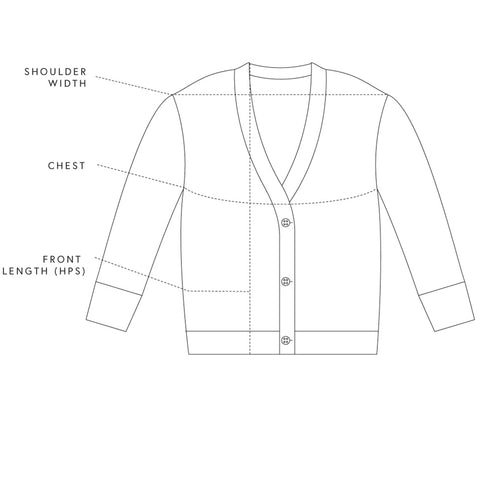
Measurements should be checked carefully before approving the sample.
For women’s knitwear, common measurement points may include chest width, body length, shoulder width, sleeve length, armhole, hem width, and other style-specific measurements.
The exact measurement points depend on the garment design. A pullover, cardigan, and knit dress may require different areas of attention.
If changes are needed, it is better to provide clear comments. For example:
“Reduce body length by 2 cm.”
is much clearer than:
“The sweater feels a little too long.”
Specific comments make sample revision more efficient and reduce the risk of misunderstanding.
3. Review the Yarn, Hand Feel, and Garment Weight
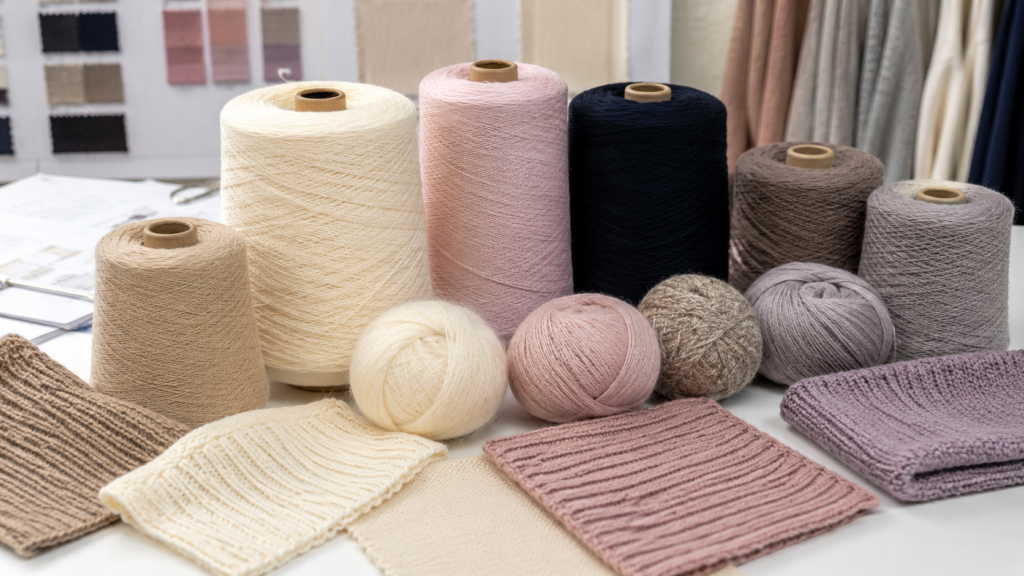
The yarn composition and knitting structure affect the appearance and wearing experience of the garment.
When reviewing a sample, customers can check:
- Softness
- Surface texture
- Thickness
- Stretch
- Recovery
- Drape
- Overall garment weight
For women’s knitwear, materials such as viscose, polyester, nylon, polyamide, and blended yarns can create different results.
A yarn that works well for a lightweight cardigan may not be suitable for a heavier structured sweater. Material selection should match the design, season, target price, and market positioning.
If the hand feel or weight is not suitable, it is better to discuss the material direction before bulk production rather than after production has already started.
4. Inspect Knitting, Linking, and Finishing
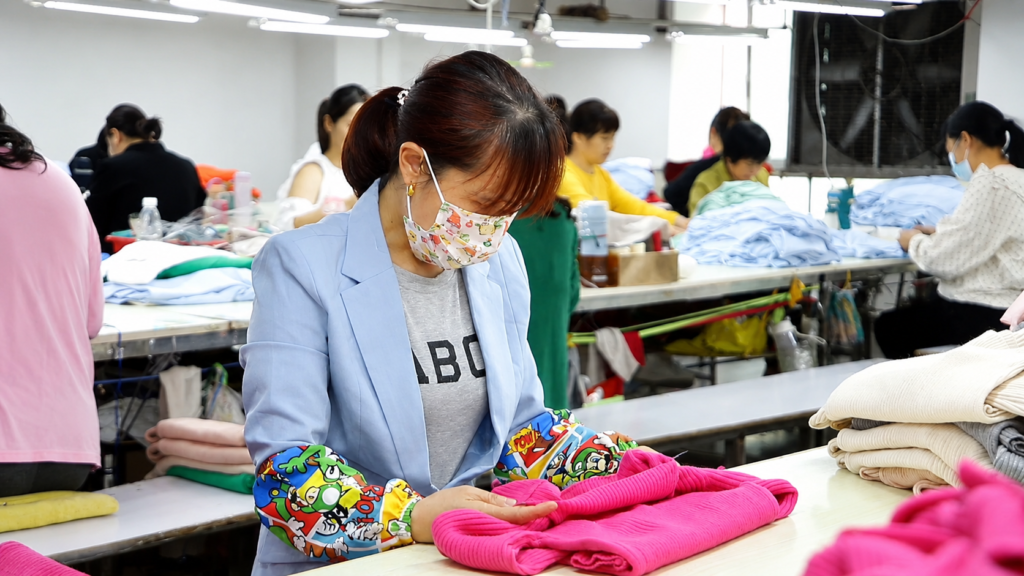
Workmanship details are especially important for knitwear.
Customers can check whether the knitting surface is clean and consistent, whether the garment shape is balanced, and whether seams and linking areas are properly finished.
Important areas may include:
- Neckline
- Shoulder seams
- Armholes
- Side seams
- Cuffs
- Hem
- Button placket
- Other construction details
Finishing also affects the final appearance. The garment should look clean, properly shaped, and ready for presentation after ironing and finishing.
Small workmanship problems may become much more significant when repeated across hundreds or thousands of garments, so the sample stage is the right time to identify them.
5. Confirm Colors and Design Details
Color should be checked under suitable lighting because different screens and environments may display colors differently.
For striped, jacquard, or color-block knitwear, customers should also check:
- Color combination
- Stripe width
- Pattern placement
- Color balance
- Overall visual effect
Small design details should also be confirmed before production. These may include buttons, zippers, trims, embroidery, decorative elements, pocket position, neckline details, or special knitting structures.
The final confirmed sample should clearly represent the product that both sides expect to produce.
6. Check Labels, Trims, and Packaging Requirements
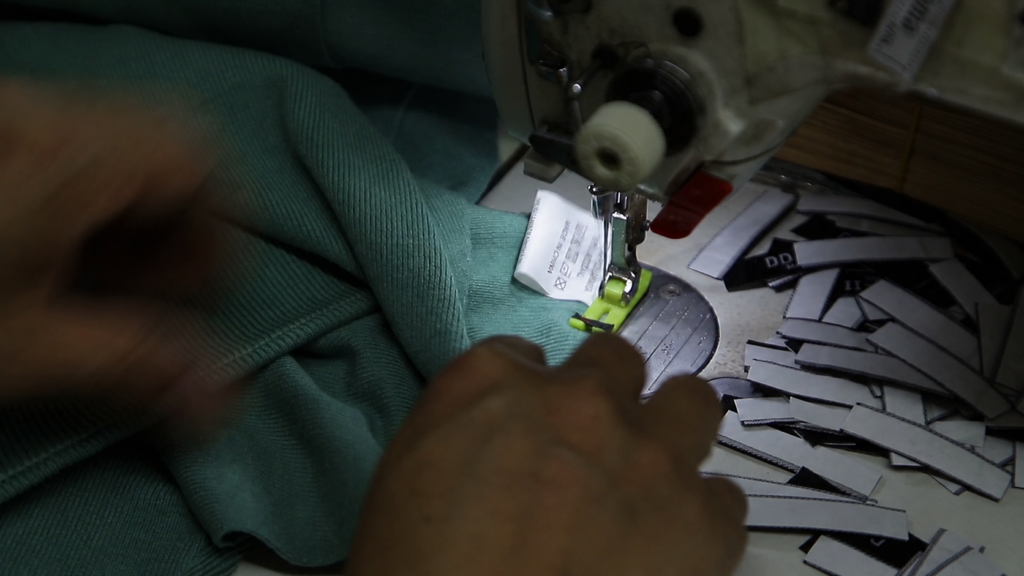
For branded products, labels and accessories are part of the final product experience.
Before bulk production, customers should confirm details such as:
- Main brand label
- Size label
- Wash care label
- Hang tag
- Buttons and other trims
- Polybag requirements
- Folding method
- Carton requirements
Even when the garment itself is correct, mistakes in labels or packing can create problems during final delivery.
Clear confirmation before production helps the manufacturer prepare the correct accessories and packing materials.
7. Compare the Sample with the Original Requirements
Before final approval, it is useful to compare the sample with the original development information.
This may include:
- Tech pack
- Reference photos
- Measurement chart
- Color requirements
- Yarn composition
- Label files
- Packing instructions
The purpose is not only to find faults. It is to make sure that all important changes and agreements made during development have been included in the final approved version.
If several sample revisions have been made, this final comparison becomes especially important.
8. Record All Final Changes Clearly
Before bulk production begins, all final comments should be recorded clearly.
Changes discussed only through separate messages can sometimes create confusion. A clear final comment list or updated tech pack can help both the customer and manufacturer work from the same information.
For example, final confirmation may include:
- Approved sample version
- Final measurements
- Confirmed yarn composition
- Approved color
- Final labels and trims
- Packing requirements
- Order quantity and size ratio
Clear confirmation provides a better reference for bulk production and quality inspection.
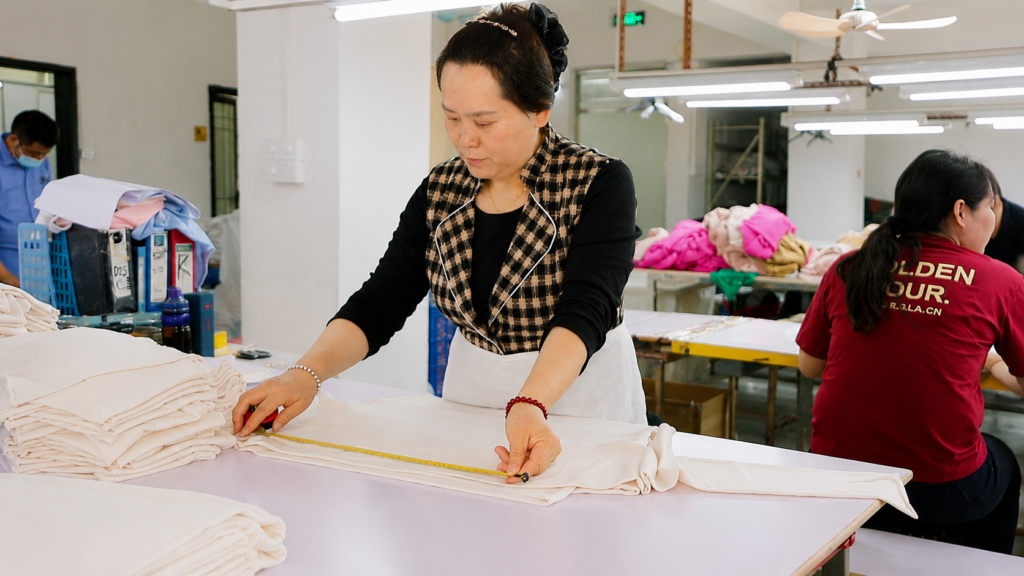
Why Sample Approval Matters
A good sample approval process helps reduce production risk.
For custom women’s knitwear, many details are connected. Changing yarn can affect hand feel and garment weight. Changing measurements can affect the overall silhouette. Changing workmanship details can affect both appearance and production cost.
That is why sample approval should not be treated as a simple “yes” or “no” decision.
A careful review helps both sides understand the final product clearly before moving into bulk production.
Work with Janbow Apparel
At Janbow Apparel, we support custom women’s knitwear development and bulk production for fashion brands, wholesalers, and importers.
Customers can provide tech packs, reference photos, measurement charts, sample garments, or design ideas. We support communication from material selection and sample development to production, quality inspection, packing, and delivery preparation.
Our main products include women’s sweaters, cardigans, pullovers, and knit dresses.
Start Your Custom Knitwear Project
Developing a new women’s knitwear collection?
Contact Janbow Apparel for catalogs, sample development, quotation, and custom production support.